


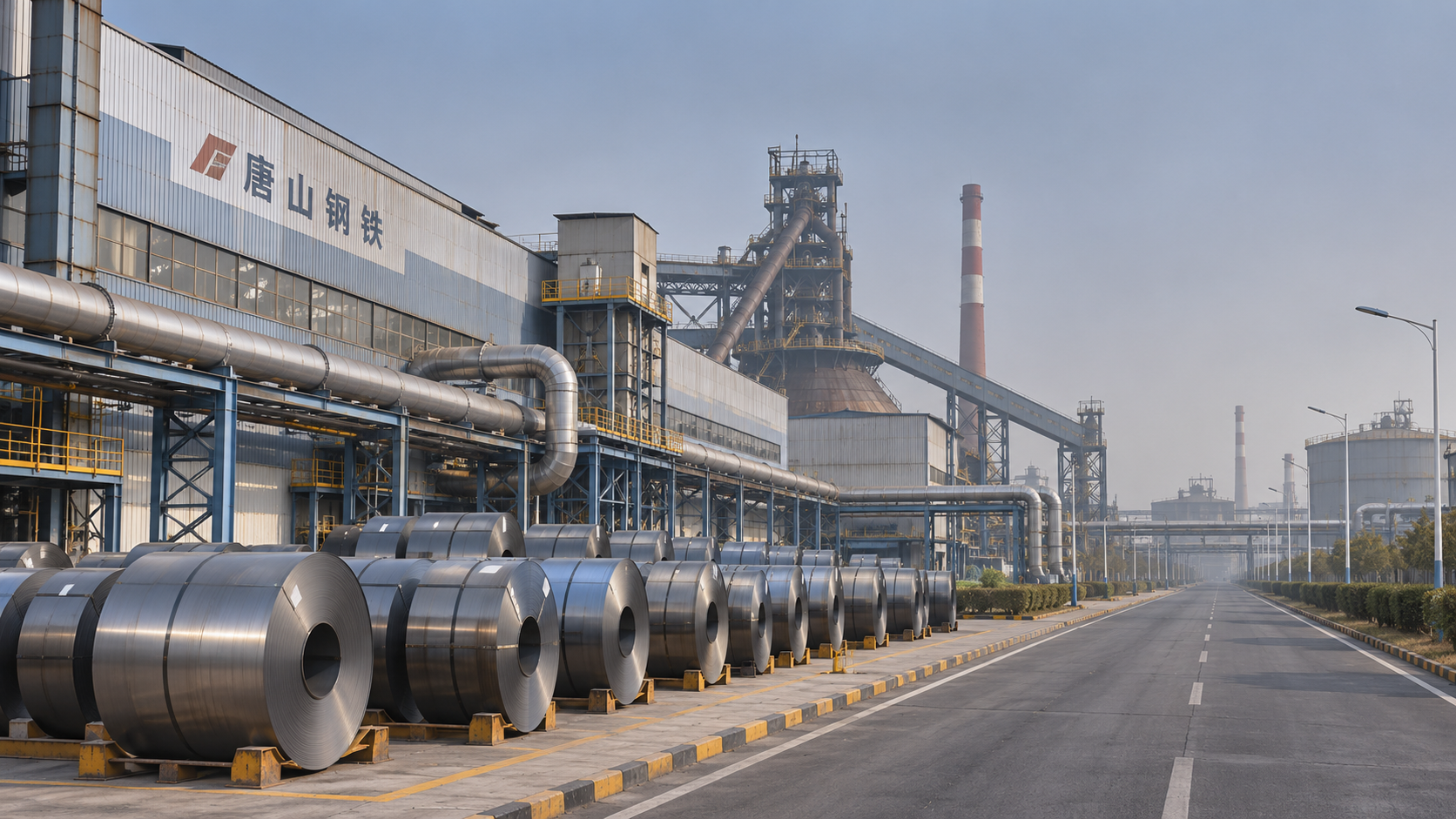
Tangshan is set to begin a citywide Level II response to heavy air pollution at 12:00 on November 9, 2026, with steel and coking enterprises required to follow production suspension and restriction measures in their emergency emissions reduction lists. The response warrants attention from steel buyers, manufacturers and traders because it may affect expectations for supply from a major steel-producing region and alter short-term purchasing and delivery plans.
Production controls under the Level II response
According to the information provided, Tangshan issued a notice on November 8, 2026, announcing that the citywide response would start at 12:00 the following day. Key industrial enterprises, including steel and coking businesses, are required to implement production suspensions and restrictions in strict accordance with their emergency emissions reduction lists. Tangshan is a major steel-producing region.
Supply expectations across the steel chain
Steel and coking operations
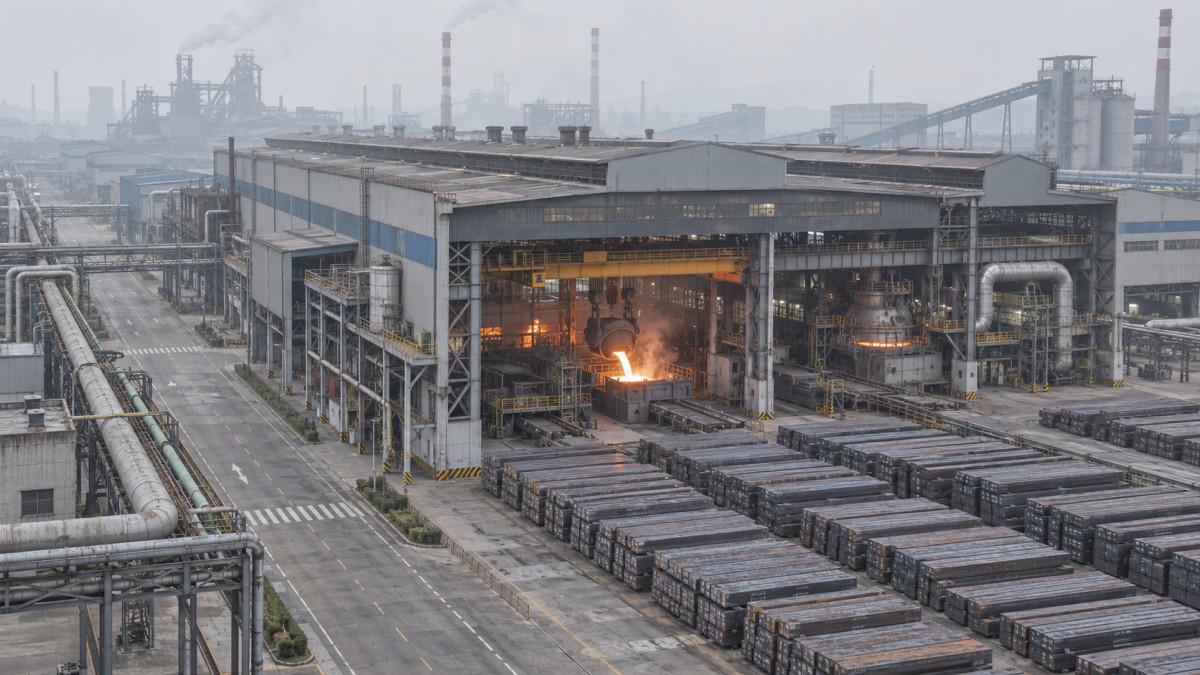
From an industry perspective, the response may affect production planning at covered steel and coking enterprises. The effect on any individual operation will depend on the measures applicable to it; the information provided does not specify those measures or confirm actual output reductions.
Steel buyers and manufacturers
Analysis suggests that buyers sourcing steel connected to Tangshan may need to reassess availability and lead times if their suppliers face restrictions. Manufacturers may in turn need to review production schedules and inventory plans. The extent of any disruption remains uncertain.
Traders and supply-chain providers
Traders and logistics providers may see changes in order timing or delivery coordination if production schedules are adjusted. They may need to confirm shipment plans with suppliers and customers before treating expected delivery dates as firm.
Checks for purchasing and delivery teams
Confirm supplier exposure
Buyers may wish to ask suppliers whether their operations are covered by the relevant emergency emissions reduction lists and whether any applicable measures could affect pending orders. The notice described in the input does not establish the restrictions for individual facilities.
Review order timing and alternatives
Businesses can assess the sensitivity of upcoming orders to possible changes in production and delivery schedules. Where timing is critical, they may consider checking alternative supply options and verifying that any substitute meets the relevant product specifications before use.
Follow further implementation information
Enterprises may wish to monitor official updates and seek clarification on the measures applicable to their suppliers, as well as any changes to the response. Supplier confirmations and customer communications can help businesses update plans as more information becomes available.
What the response signals for the market
At this stage, the notice is best understood as an announced response with a specified start time and a requirement for covered enterprises to follow their emergency emissions reduction lists. Analysis of its market effect remains provisional: actual production changes, the duration of the response and subsequent industry feedback are not specified in the information provided. Those factors may influence how supply expectations and short-term purchasing decisions develop.
Planning around an uncertain supply effect
The response places emissions controls at the center of near-term steel supply planning in Tangshan. Businesses can treat it as a concrete execution signal while checking supplier-specific exposure and keeping delivery plans under review; the scale of any market effect remains to be established.
Basis for this report and further verification
This article is based on the user-provided news title, event time and event summary. No specific official source link was provided in the input, so the notice and subsequent developments still need to be verified. Relevant follow-up sources may include official announcements and industry reports; areas to monitor include implementation details, enterprise execution and industry feedback.
By clicking 'Allow All', you agree to the storage of cookies on your device to enhance site navigation, analyze site usage and assist with our marketing efforts. Coo Cookie Notice