



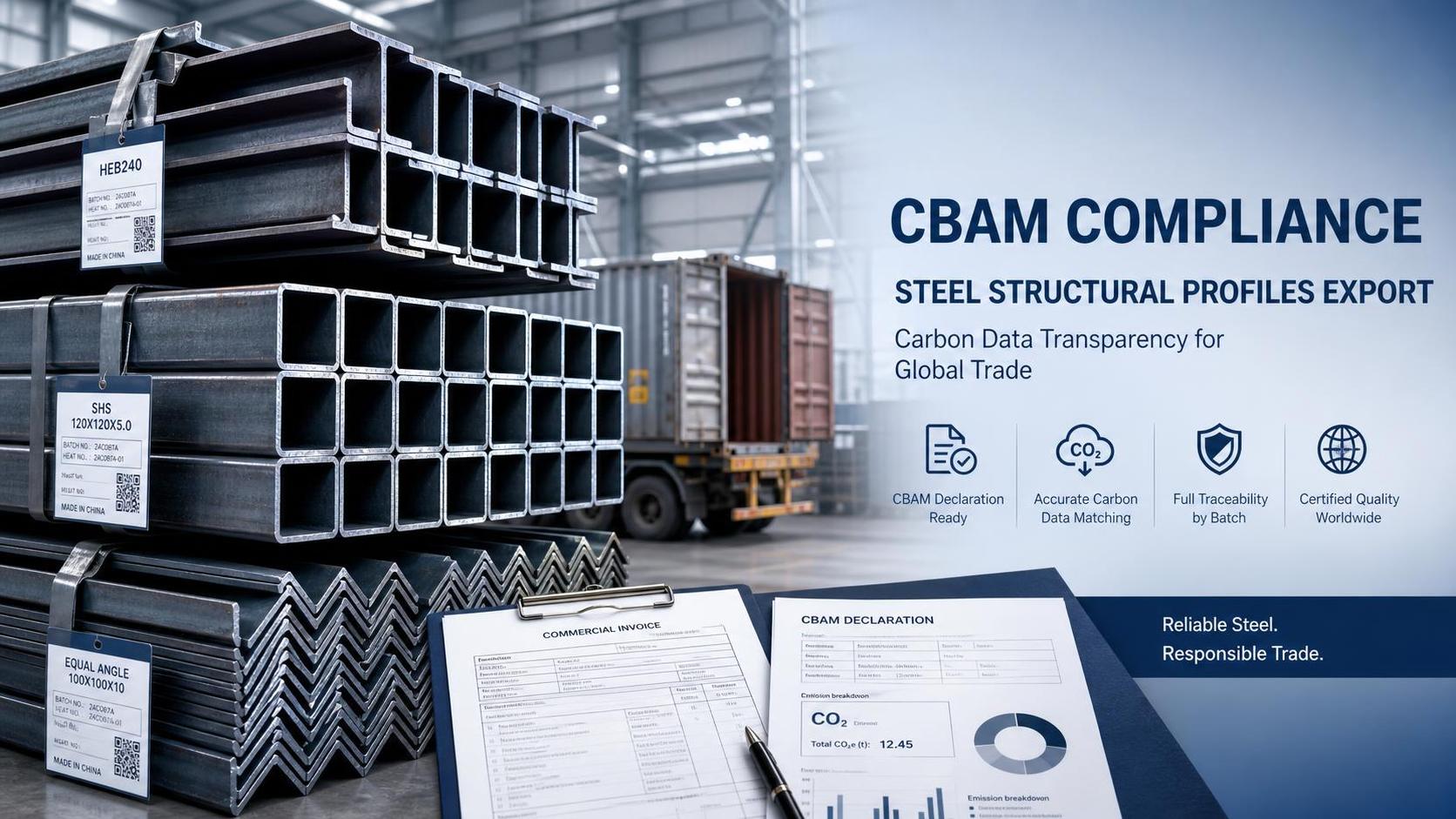
On August 6, 2026, the European Commission formally put the third phase of CBAM into effect for steel products, bringing a broader range of hot-rolled, cold-formed, and structural steel sections into the reporting scope. For exporters, customs teams, processors, and supply chain service providers, the key issue is no longer only product shipment, but whether each batch can be matched with compliant embedded carbon emissions data and the related payment requirement without disrupting clearance and delivery timing.
What the new requirement now covers
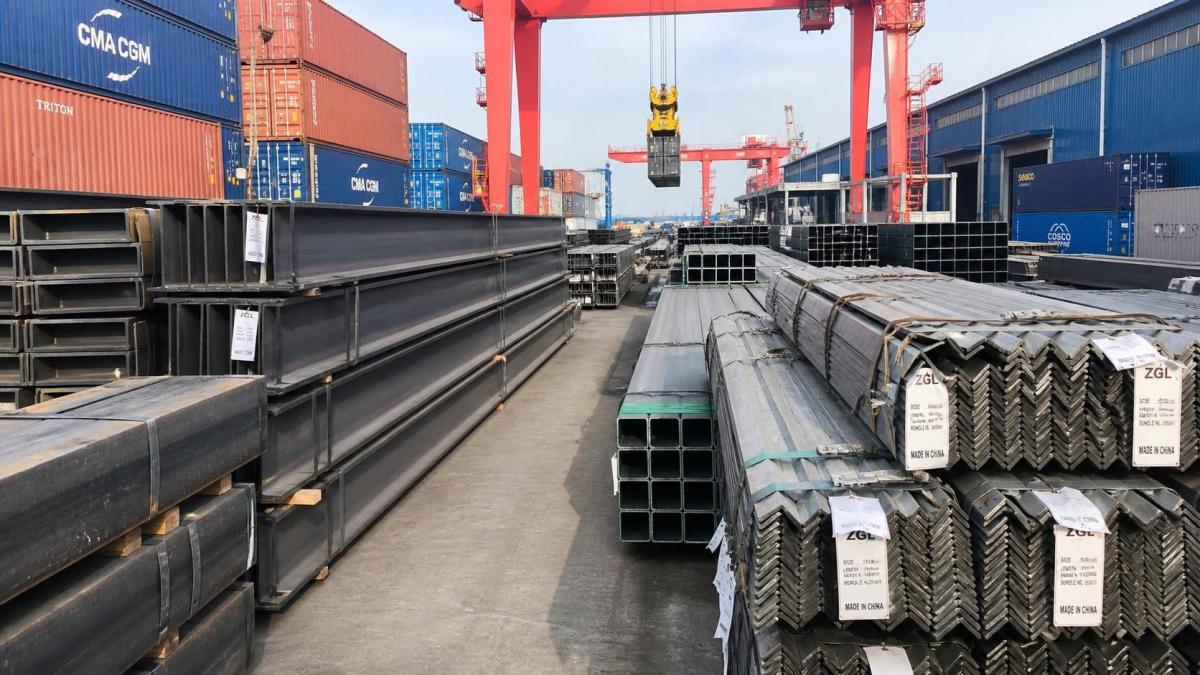
According to the provided event information, from August 6, 2026, CBAM Phase 3 applies to all hot-rolled, cold-formed, and structural steel products, including H-beams, square and rectangular tubes, and angle steel. Exporters are required to declare, through the CBAM system, the measured or default embedded carbon emissions value for each shipment batch and pay the corresponding difference fee.
The confirmed information also states that this requirement directly affects compliance costs, customs declaration procedures, and delivery timing for steel and steel section exporters. If registration is incomplete or emissions data does not meet requirements, shipments may face customs clearance delays or even refusal.
Where the pressure is likely to appear across the supply chain
Export transactions move from product compliance to data compliance
From an industry perspective, direct trading companies are likely to feel the impact first because the reporting obligation sits close to the export transaction itself. The main pressure point is batch-level declaration through the CBAM system, which means product movement and data submission must stay aligned. What deserves closer attention is whether transaction documents, emissions reporting, and payment handling can move on the same timetable.
Processing manufacturers face tighter shipment preparation requirements
For manufacturers and processors of steel sections, the immediate issue is operational rather than theoretical. Where a shipment includes covered products such as H-beams, square or rectangular tubes, and angle steel, the export process now depends on whether embedded carbon emissions values can be provided in a form that supports filing. Analysis shows that shipment readiness may increasingly depend on emissions-related documentation alongside conventional export preparation.
Customs and logistics service providers may see workflow delays
Supply chain service providers, including customs brokers and logistics coordinators, may be affected through timing and documentation risk. The provided information makes clear that non-compliant registration or emissions data can delay clearance or lead to refusal. Observably, this raises the practical importance of document review, filing sequence, and communication between exporter, service provider, and consignee before cargo reaches the border process.
Buyers and downstream users may focus more on delivery certainty
For procurement teams and end users relying on imported steel sections, the issue may show up as delivery uncertainty rather than a direct regulatory obligation. Analysis shows that where exporters have not completed registration or cannot submit acceptable emissions data, shipment timing may become less predictable. That makes order scheduling and supplier communication more important in the near term.
What companies should monitor now
Confirm whether covered product categories are already in active export flows
Companies dealing in hot-rolled, cold-formed, or structural steel products should first verify whether the goods they are currently shipping fall within the covered range described in the event summary. The practical focus is not abstract exposure, but whether current export batches include the named product groups and therefore trigger immediate reporting requirements.
Check batch-level emissions data readiness before shipment
The requirement to declare either measured or default embedded carbon emissions values for each batch makes data readiness a shipment issue, not only a reporting issue. What deserves closer attention is whether internal teams and upstream suppliers can provide the necessary emissions information in time for customs and CBAM filing.
Review registration status and document handoff procedures
Because incomplete registration or non-compliant data may result in delays or refusal, companies should pay close attention to the sequence of registration, declaration, and document transmission. For trading teams and customs coordinators, the business risk lies in process gaps between order confirmation, production, documentation, and final border clearance.
Separate policy wording from execution risk
Analysis shows that the formal rule itself is only one part of the issue. The operational impact depends on how accurately companies can connect covered products, emissions values, system submission, and payment obligations at batch level. In practice, firms should watch not only the requirement as stated, but also where execution friction appears in real export workflows.
Why this looks like more than a short-lived adjustment
This section is an editorial observation. It is more appropriate to understand this development as an active compliance shift rather than a speculative policy signal, because the implementation date has arrived and the reporting obligation now applies to covered steel sections. At the same time, it should not yet be overstated into a fully settled market outcome. Observably, the immediate significance lies in customs execution, compliance cost handling, and transaction timing, while the wider commercial effect still depends on how companies adapt in day-to-day operations.
How the market may best read this development
For the steel and steel section trade, this update signals that embedded carbon data has become a practical export requirement for covered shipments into the EU under CBAM Phase 3. The most balanced reading is that this is neither a minor procedural notice nor a basis for broad conclusions beyond the provided facts. It is more appropriate to understand it as a concrete compliance change with immediate operational consequences and with broader industry effects that still need continued observation.
Basis of this article and what still needs verification
This article is based on the user-provided news title, event date, and event summary. For developments of this kind, source types commonly worth tracking include official notices, company disclosures, industry association updates, authoritative media coverage, and standards-related documents. No specific official source link was provided in the input, so the exact official reference still needs ongoing verification. Follow-up attention should remain on any further official wording, implementation details, and how the requirement is applied in actual export and customs processes.
By clicking 'Allow All', you agree to the storage of cookies on your device to enhance site navigation, analyze site usage and assist with our marketing efforts. Coo Cookie Notice