



On July 1, 2026, the EU formally put the transition-phase reporting requirement of the Carbon Border Adjustment Mechanism (CBAM) into effect for steel products. For Chinese exporters shipping steel and steel sections to the EU, the immediate issue is no longer only product delivery, but also quarterly online disclosure of embedded carbon emissions. This development deserves close attention from exporters, overseas buyers, procurement teams, and supply chain service providers because non-compliant reporting may affect customs clearance and later access under the formal stage.
What Has Taken Effect From July 1
From July 1, 2026, the EU fully launched the CBAM transition phase for steel-related products. Chinese exporters selling steel products and sections to the EU are required to submit embedded carbon emissions data online on a quarterly basis.
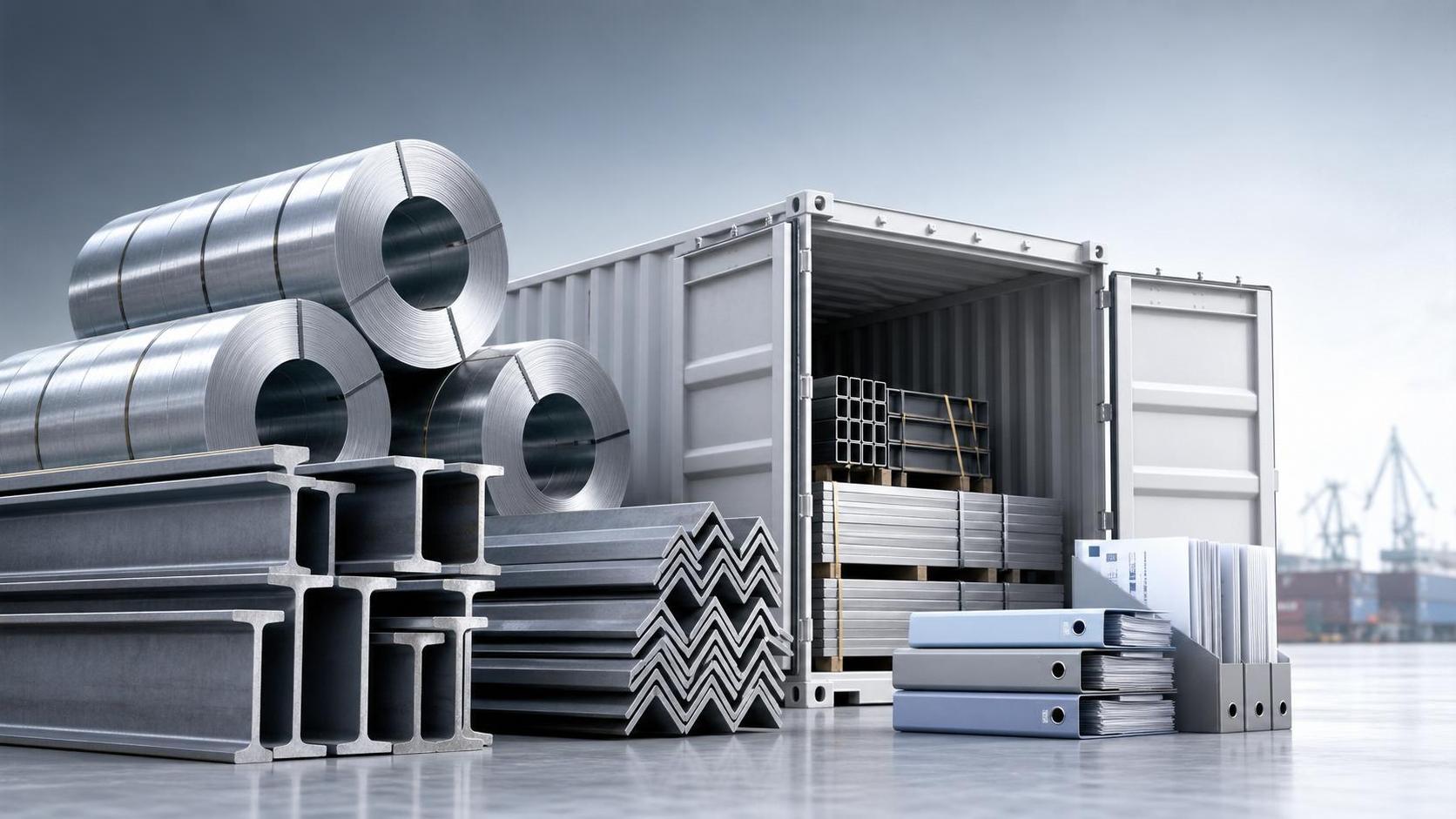
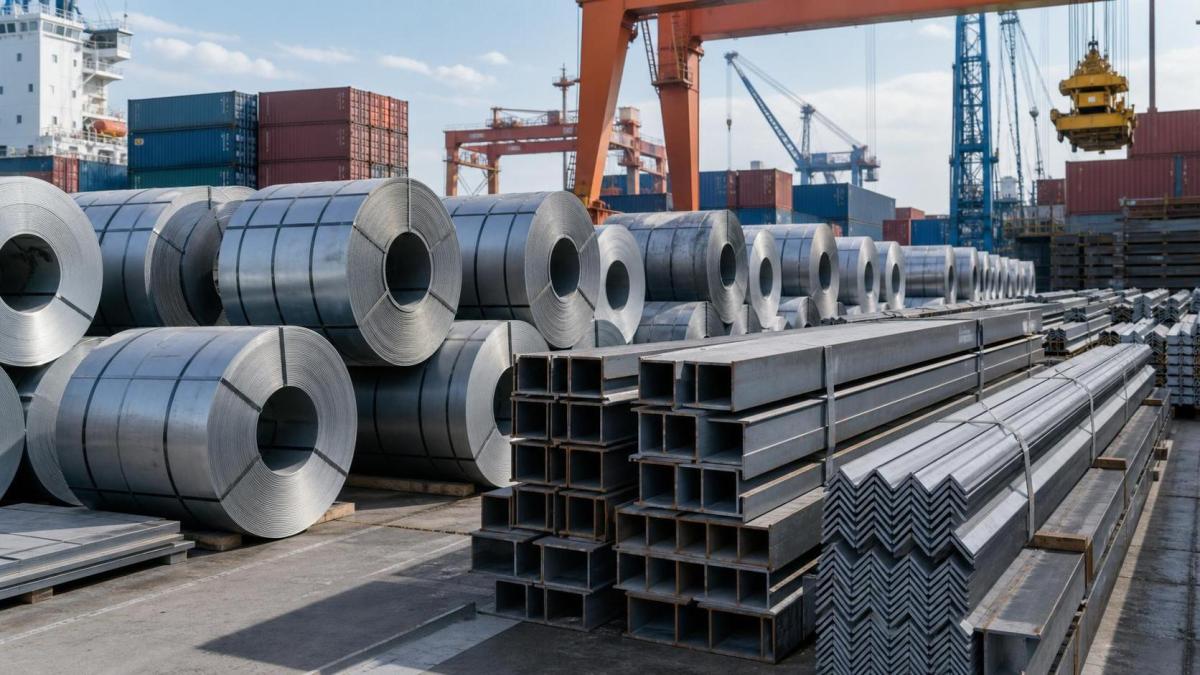
The products mentioned in the provided information include hot-rolled coil, H-beams, and angle steel. The reporting obligation therefore directly concerns exporters dealing in these steel categories and similar covered products shipped into the EU market.
The provided information also states that failure to complete compliant reporting may affect customs clearance and subsequent access under the formal implementation stage. It further links the requirement to overseas buyers' procurement compliance responsibilities, supply chain carbon information disclosure obligations, and supplier qualification for Chinese exporters.
Where The Pressure Will Appear In The Supply Chain
Export transactions now involve carbon reporting readiness
From an industry perspective, direct trading companies exporting steel to the EU may be affected first because the reporting obligation sits close to the export transaction itself. The main impact is likely to appear in order execution, document preparation, and coordination around quarterly data submission. What deserves closer attention is whether product-level emissions information can be collected and submitted in a form that supports ongoing shipments.
Buyers face a stronger compliance screening role
Observably, overseas buyers are also drawn more directly into compliance review because the provided information explicitly connects the requirement with procurement compliance responsibility. The likely impact is not limited to purchasing decisions; it may also extend to supplier onboarding, order confirmation, and documentation checks. Buyers will need to pay attention to whether suppliers can provide the required carbon-related information in line with reporting expectations.
Manufacturers and processors may be asked for more traceable data
For processing and manufacturing enterprises in the steel chain, the likely effect is that upstream production information may come under closer review when exporters prepare quarterly submissions. Analysis shows that the operational pressure may emerge in data collection, internal handoff, and consistency of disclosed emissions information. This does not change the confirmed fact set, but it does indicate where reporting obligations may translate into day-to-day workload.
Service providers may see compliance work move closer to shipment execution
Supply chain service providers, including those involved in export handling and documentation support, may also be affected because customs clearance risk is specifically mentioned in the provided information. The business impact may show up in timetable coordination, document completeness checks, and communication among exporters and buyers. What deserves closer attention is whether reporting gaps could disrupt delivery arrangements even when commercial terms are otherwise settled.
What Companies Should Track Now
Quarterly reporting capability for covered steel products
Companies involved in exporting covered steel products to the EU should focus on whether they can organize quarterly online submission of embedded carbon emissions data for relevant items such as hot-rolled coil, H-beams, and angle steel. The practical issue is not only knowing that reporting is required, but making sure the reporting process can be repeated on schedule.
Alignment between supplier qualification and customer expectations
Because the provided information links CBAM reporting with supplier qualification, exporters should pay close attention to how EU customers may assess ongoing eligibility. Analysis shows that commercial access may increasingly depend on whether carbon-related information can be provided in a usable and timely manner, even before any later formal-stage implications are fully tested in practice.
Customs clearance risk from incomplete compliance preparation
The confirmed information explicitly states that non-compliant reporting may affect customs clearance. For companies, this means compliance should be treated as part of shipment readiness rather than a separate policy matter. What deserves closer attention is whether internal document flows, customer communication, and delivery planning are prepared for this additional requirement.
Ongoing watch on official wording and implementation details
Observably, the current development is already operational in timing, but companies should continue monitoring how official expressions and practical implementation requirements are presented in follow-up materials. The distinction matters because a reporting obligation can be clearly established while workflow expectations in actual transactions still require close reading and repeated verification.
Why This Matters Beyond A Single Filing Task
Analysis shows that this development should not be understood merely as a technical reporting item. It points to a broader compliance link between market access, buyer due diligence, and supply chain carbon disclosure in steel trade with the EU. At the same time, it is more appropriate to understand this as both an immediate operational change and a longer-term signal: immediate because quarterly reporting has taken effect from the stated date, and longer-term because later formal-stage access is also referenced in the provided information.
Observably, the key issue for the industry is not whether the requirement exists, but how quickly business relationships, transaction processes, and supplier screening practices start to reflect it. That part still requires continued observation, and it should not be presented as a settled market outcome at this stage.
How This Update Is Best Understood
At present, this development is best understood as a clear compliance requirement with direct operational implications for steel exports to the EU. It already matters for quarterly reporting, customs-related execution, and supplier qualification discussions. At the same time, a neutral reading is still necessary: the confirmed facts establish the reporting obligation and the compliance risks described in the provided information, while the full commercial and supply chain effects remain something the industry needs to keep watching closely.
Basis Of This Article And What Still Needs Verification
This article is based on the user-provided news title, event date, and event summary concerning the EU's formal implementation of CBAM transition-phase reporting obligations for steel products from July 1, 2026.
For this type of development, source categories typically relevant to verification may include official announcements, company disclosures, industry association updates, authoritative media coverage, and standard or compliance-related documents. However, a specific official source link was not provided in the input, so the exact source document still requires ongoing verification.
Areas that merit continued attention include any follow-up official wording, product-scope clarification in practical use, and how reporting expectations are reflected in customs processes, buyer compliance reviews, and supplier qualification checks.
By clicking 'Allow All', you agree to the storage of cookies on your device to enhance site navigation, analyze site usage and assist with our marketing efforts. Coo Cookie Notice