




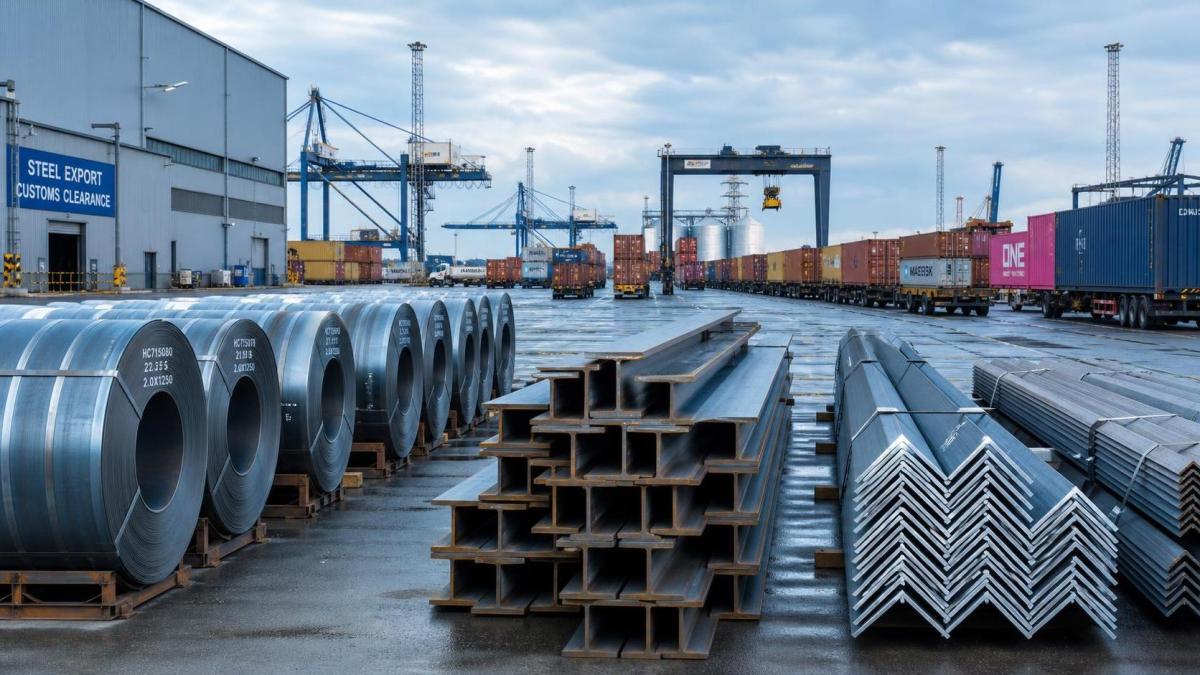
From 00:00 on July 28, 2026, the European Commission formally began the third-stage reporting obligation in the CBAM transition period for steel products shipped into the EU. The change applies to steel and structural steel products, including hot-rolled coil, H-beams, and angle steel, and requires quarterly reporting of embedded carbon emissions. For exporters, traders, and supply chain participants handling EU-bound steel orders, this is not just a policy headline; it directly affects compliance preparation, customs processing, and shipment continuity.
What Has Taken Effect on July 28
According to the confirmed information provided, the European Commission started the third phase of CBAM transitional reporting obligations at midnight on July 28, 2026. The scope covers all steel and section products exported to the EU, including products such as hot-rolled coil, H-beams, and angle steel. Exporters are required to submit embedded carbon emissions data on a quarterly basis. The mechanism directly affects the compliance cost and customs clearance process of Chinese steel exporters. Products that have not completed registration and data reporting may face import delays or refusal.
Where the Pressure Will Be Felt Across the Trade Chain
EU-bound steel exporters now face a reporting-linked delivery condition
For companies shipping steel products to the EU, the immediate impact is concentrated in export compliance and shipment release. Analysis shows that the reporting obligation is no longer a distant regulatory signal but a practical condition tied to customs handling. What deserves closer attention is whether exporters can organize emissions-related data in a way that supports quarterly submission without disrupting dispatch schedules.
Manufacturers and processors may be pulled into document preparation
Producers of covered steel products and downstream processors may also be affected because product-level emissions reporting often depends on upstream production information. From an industry perspective, this means that manufacturing records, technical product data, and supporting compliance materials may become more important in transactions tied to EU delivery. Even where the formal reporting task sits with the exporter, the supporting data chain may extend back to mills and processors.
Trading companies and distribution channels may need tighter order screening
For intermediaries handling multiple steel categories, the rule change raises the importance of checking whether shipments fall within the covered product scope and whether the necessary reporting steps have been completed before dispatch. Observably, the commercial risk is not limited to compliance cost; it also touches shipment timing, customer communication, and document readiness when cargo is moving under delivery deadlines.
Logistics and supply chain service providers may see more clearance-sensitive coordination
Supply chain service providers, including parties involved in export documentation and customs-related coordination, may be affected because incomplete registration or missing reporting can lead to delay or rejection risk at import. Analysis shows that the operational burden may shift toward earlier document confirmation and closer coordination between exporter, supplier, and consignee before goods are shipped.
What Companies Should Watch in Current Operations
Registration and quarterly reporting should be treated as active compliance tasks
Based on the confirmed facts, products without completed registration and data reporting may face import delay or refusal. It is more appropriate to understand this as an immediate compliance checkpoint for EU-bound steel business rather than a background policy issue. Companies involved in covered exports should therefore pay close attention to whether internal responsibility for registration and quarterly data submission is clearly assigned.
Product documentation may become more important in shipment planning
Analysis shows that steel exporters and their suppliers should pay attention to whether existing technical documents, shipment files, and supporting product information are sufficient for reporting-related use. The confirmed information does not provide detailed filing standards or document formats, so the practical priority at this stage is not to assume a settled template, but to closely monitor official wording and execution practice.
Delivery schedules may need more buffer where reporting readiness is uncertain
Because non-compliant products may face delay or refusal at import, companies serving EU orders may need to review how reporting readiness affects dispatch timing, customer commitments, and internal approval steps. From an industry perspective, this is especially relevant for time-sensitive exports or orders already moving through procurement, production, and shipment scheduling.
Supplier coordination may matter more than before
Where exporters rely on upstream mills, processors, or external trade partners, the ability to obtain accurate embedded emissions data may become a commercial coordination issue as well as a compliance issue. Observably, companies should continue watching how counterparties respond, how documentation responsibilities are allocated, and whether buyers begin to reflect these requirements in order documents or procurement conditions.
Why This Looks More Like an Execution Signal Than a Distant Policy Notice
Analysis shows that this development is better understood as an implementation-stage signal rather than a purely symbolic policy update. The rule is linked to a specific effective time, a defined product scope, and an operational reporting requirement. At the same time, it would be premature to treat all market consequences as settled, because the provided information does not include detailed enforcement practice, documentation standards, or market response.
What deserves closer attention is how consistently the reporting requirement is reflected in customs handling, commercial paperwork, supplier cooperation, and customer-side acceptance conditions. For the industry, the key issue now is less about whether the rule matters and more about how quickly execution expectations become standardized across actual transactions.
How the Market Should Read This Stage
At this stage, the development is best read as a live compliance change affecting steel exports to the EU, especially in reporting readiness and customs-related execution. It does not yet justify broad conclusions about long-term trade outcomes based only on the confirmed facts provided here. A more balanced interpretation is that the mechanism has moved from policy attention to operational consequence, and companies exposed to EU steel trade should continue tracking how reporting practice, document requirements, and transaction behavior evolve in the market.
Basis of This Article and What Still Needs Verification
This article is generated based on the user-provided news title, event date, and event summary. For events of this type, commonly relevant source categories may include official notices, releases from regulatory authorities, customs or trade administration information, industry association updates, standard-setting documents, and reporting by authoritative media. A specific official source link was not provided in the input, so further verification remains necessary. Observably, the areas that still need continued attention include detailed policy wording, enforcement interpretation, certification or compliance practice, changes in tender or procurement documents, market feedback, and how companies are implementing the reporting requirement in actual export operations.
By clicking 'Allow All', you agree to the storage of cookies on your device to enhance site navigation, analyze site usage and assist with our marketing efforts. Coo Cookie Notice