




On July 28, 2026, the U.S. Department of Commerce formally opened a first expedited sunset review of the antidumping duty order covering hot-rolled steel sections from China under HS codes 7216.10–7216.99. The review is not a new tariff action, but it is a rule-driven checkpoint that will determine whether the current antidumping duties remain in place for another five years. For U.S. importers, Chinese exporters, procurement teams, and supply chain service providers, the development deserves attention because it can affect landed cost assumptions, customs planning, purchasing lead times, and supplier qualification reviews before the expected result is released by March 2027.
What Has Been Formally Put Under Review
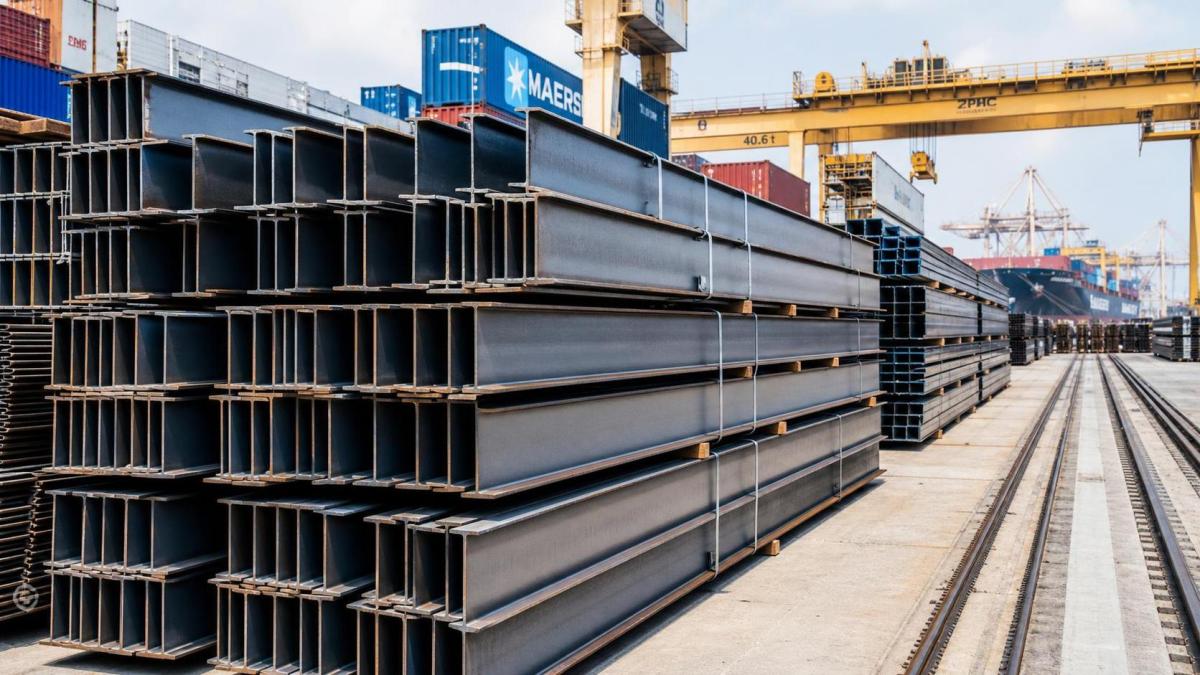
Confirmed facts show that the case was initiated on July 28, 2026 by the U.S. Department of Commerce. The subject of the review is the existing antidumping duty order on hot-rolled steel sections originating in China, classified under HS codes 7216.10 through 7216.99. The proceeding is described as the first expedited sunset review, and its purpose is to determine whether the current antidumping duty rates, which range from 32.4% to 127.5%, should continue for another five-year period. Based on the information provided, the review result is expected before March 2027.
Where the Pressure Is Likely to Appear in Day-to-Day Trade
Import-side cost control and customs timing
From an industry perspective, U.S.-side import operations are among the most directly exposed business functions because the review goes to the continuation of duty treatment that already affects clearance cost. What deserves closer attention is not only the duty rate range itself, but also how importers manage purchase timing, customs declarations, and landed cost forecasting while the review is pending. Procurement and trade compliance teams will likely need to keep product classification, order timing, and documentation consistency under closer review.
Supplier screening and procurement approval paths
For buyers and sourcing teams, the issue reaches beyond price negotiation. The review can influence how supplier eligibility is assessed, especially where internal approval depends on trade exposure, delivery certainty, and documentary readiness. Analysis shows that companies sourcing affected steel sections may need to revisit supplier qualification files, product scope checks under the relevant HS codes, and internal review steps tied to trade-risk acceptance.
Export coordination and order execution discipline
For exporters and manufacturing-side commercial teams serving the U.S. market, the immediate operational impact is less about a confirmed new outcome and more about transaction execution under a live review process. Observably, exporters may need to pay closer attention to product descriptions, shipping documents, technical paperwork, and customer-side requests related to compliance review. Where delivery schedules are tight, the review may also affect buyer confirmation cycles and order release timing.
Service providers around the transaction chain
Supply chain service providers, including parties involved in customs support, trade documentation, and delivery coordination, may also face tighter review expectations from clients. The key issue here is process reliability: whether classification records, shipment files, and supplier-related materials are organized well enough to support customs planning and procurement sign-off while the review remains open.
What Companies Should Track Before the Review Result
Keep product scope and HS mapping under active review
Because the provided information identifies HS codes 7216.10–7216.99, affected companies should pay close attention to whether internal product mapping, quotation files, and customs-related records consistently align with those classifications. This is a practical compliance point rather than a conclusion about any specific shipment outcome.
Prepare for closer document-based scrutiny
Analysis shows that supplier qualification reviews may become more document-driven during this period. Companies involved in procurement or export execution should therefore pay attention to the completeness and consistency of commercial documents, technical descriptions, and bid or purchasing files where the affected products are involved. The available information does not provide a new execution standard, so this should be understood as a precautionary focus area.
Recheck purchasing and delivery assumptions
Since the expected review result may not arrive until before March 2027, businesses may need to reassess lead-time assumptions for orders exposed to the U.S. market. What deserves closer attention is whether current procurement calendars, customer commitments, and delivery planning still reflect the possibility of prolonged review attention rather than a settled policy outcome.
Watch for changes in official wording and buyer requirements
The information provided confirms the review initiation and the expected decision window, but it does not provide detailed implementation language beyond that. For this reason, companies should continue monitoring later official expressions, customer compliance requests, and any updates in qualification or tender documentation that may reflect how market participants respond to the review.
Why This Reads More as an Execution Signal Than a Final Outcome
Observably, this development is better understood as an active regulatory signal than as a completed rule change. The confirmed fact is that the sunset review has been launched and that it will determine whether existing antidumping duties stay in force for another five years. Analysis shows that the more immediate significance for the industry lies in how companies manage risk during the review window: cost estimation, supplier review, customs preparedness, and procurement scheduling all become more sensitive when the future status of an existing duty order is under formal examination.
It is also important to separate what is known from what still requires observation. The current record supports attention to compliance and transaction planning, but it does not support a fixed conclusion about the final result before the review is completed.
How the Market Should Read This Stage
At this stage, the case is most appropriately understood as a live trade-rule development with practical consequences for ongoing business decisions, rather than as a settled policy result. For companies exposed to hot-rolled steel sections within the stated HS range, the rational approach is to treat the review as a factor in cost review, supplier approval, and delivery planning, while avoiding assumptions about the final decision before the expected result is released. The industry significance lies in the review process itself and in the operational adjustments it can trigger across trade and procurement workflows.
Basis of This Article and What Still Needs Verification
This article is based on the user-provided news title, event date, and event summary. For events of this type, relevant source categories typically include official notices, releases from regulatory authorities, customs or trade administration information, industry association updates, standards-related documents, and reporting from authoritative media. No specific official source link was provided in the input, so the exact official publication link still requires follow-up verification.
Further observation is still needed on later official wording, execution interpretation, buyer-side qualification requirements, tender or procurement document changes, industry feedback, and how companies adjust their own compliance and delivery arrangements as the review progresses.
By clicking 'Allow All', you agree to the storage of cookies on your device to enhance site navigation, analyze site usage and assist with our marketing efforts. Coo Cookie Notice