




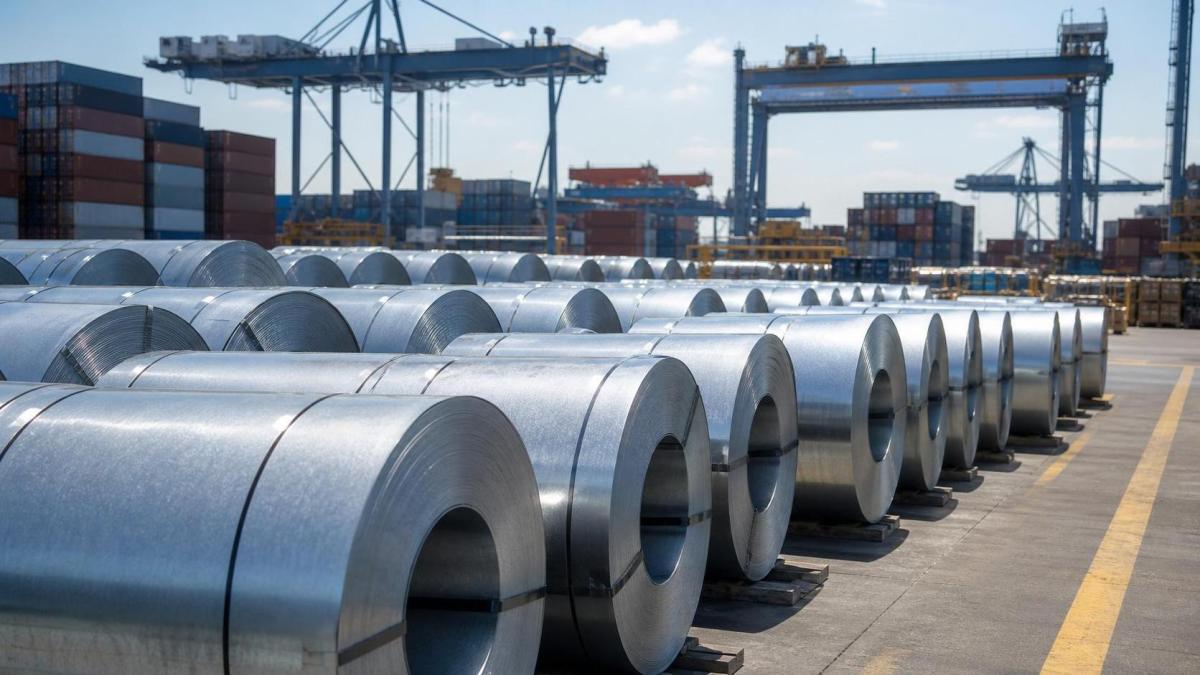
On July 7, 2026, the U.S. Department of Commerce announced the start of an Administrative Review covering antidumping and countervailing duty measures on galvanized steel coil exported from China under HS 7210.49 and 7212.40. The review applies to goods exported between January 1 and December 31, 2025, and merits close attention from traders, North American distributors, end buyers, and supply chain teams because it can affect cash deposit requirements, the application of final duty orders, and the compliance costs tied to import transactions and contract execution.
What the Announcement Confirms
The confirmed facts are limited but commercially significant. The U.S. Department of Commerce issued the notice on July 7, 2026, formally opening its annual Administrative Review for both antidumping and countervailing duty measures on Chinese galvanized steel coil. The scope identified in the input covers HS 7210.49 and 7212.40, and the review period runs from January 1, 2025, through December 31, 2025. The input also makes clear that this review is directly relevant to customs cash deposits, the eventual application of duty orders, and importer compliance costs.
Where the Pressure May Appear in the Supply Chain
Import-side pricing and landed-cost planning
From an industry perspective, importers and direct trading companies may feel the effect first because review outcomes are tied to customs-related cost exposure. In practical terms, the main area to watch is landed-cost planning: even before any final result is known, businesses may need to reassess how they model duty-related cost assumptions in current and pending transactions.
Distributor inventory decisions in North America
North American distributors are specifically relevant in this case because the input indicates an impact on inventory strategy. Analysis shows that when a review affects duty treatment and compliance cost, distributors may need to watch the timing of replenishment, stock levels connected to Chinese-origin material, and how inventory decisions align with pricing commitments already made to downstream customers.
Procurement teams and end users with fixed-price commitments
End purchasers and industrial buyers may also be affected where supply contracts rely on stable import cost assumptions. What deserves closer attention is the connection between administrative trade review activity and contract pricing mechanisms. If a buyer is working with fixed-price or formula-based purchasing arrangements, the review may become relevant not as a policy headline alone, but as a factor in delivery economics and supplier discussions.
Service providers handling documentation and customs processes
Supply chain service providers, including teams involved in customs handling and trade compliance, may face more detailed document and process requirements as customers seek clarity on exposure and transaction treatment. Observably, the operational impact here is less about market sentiment and more about whether shipment records, classification details, and transaction files are aligned with review-sensitive import compliance needs.
What Companies Should Track Now
Follow subsequent official wording closely
The current announcement establishes that the review has started, but it does not by itself resolve the final duty outcome. Companies with affected trade flows should therefore focus on subsequent official wording, procedural updates, and any clarifications that may influence how the review is applied in practice.
Recheck products, shipment periods, and document consistency
Because the review explicitly covers HS 7210.49 and 7212.40 and a defined 2025 export period, businesses should compare their product classification, shipment timing, and transaction records against that scope. This is a practical checkpoint for exporters, importers, and service providers that need internal consistency across commercial documents and customs-facing materials.
Separate policy signal from immediate business execution
Analysis shows that the launch of a review is an important policy and compliance signal, but it is not the same as a final commercial outcome. Companies should avoid treating the announcement as a completed result and instead translate it into workflow questions: which contracts may need review, which shipments need closer documentation control, and where customers may require clearer explanations on cost exposure.
Prepare communication paths for customers and suppliers
The input highlights contract pricing mechanisms and inventory strategy, which means counterpart communication matters. Businesses involved in affected trade should be ready to discuss shipment timing, pricing assumptions, and documentation requirements with suppliers, distributors, and end buyers so that trade compliance issues do not become delivery or payment disputes later.
Why This Matters Beyond a Routine Notice
Observably, this development is best read as an active trade-compliance signal rather than a final market conclusion. The review itself confirms that galvanized steel coil trade into the U.S. remains subject to procedural scrutiny within the AD/CVD framework for the covered period. Analysis shows that the near-term significance lies in cost planning and compliance management, while the broader significance lies in how market participants adjust purchasing, stocking, and contract language around uncertainty.
It is more appropriate to understand this as a development that requires continued monitoring. The announcement is meaningful because it can shape operational decisions now, yet the information provided does not establish a final duty result, a definitive pricing outcome, or a settled competitive impact across the wider steel market.
How the Market Should Read the Development
For the industry, the key point is not simply that a review has been opened, but that the review can affect customs cash deposits, final duty treatment, and the compliance burden attached to affected imports. A measured reading is more appropriate than a dramatic one: this is a material procedural step with real business implications, especially for import planning and contract management, but it should still be treated as a developing matter that needs follow-up rather than a completed outcome.
Basis of This Article and Ongoing Verification
This article is based on the user-provided news title, event date, and event summary regarding the July 7, 2026 launch by the U.S. Department of Commerce of an antidumping and countervailing duty Administrative Review covering Chinese galvanized steel coil under HS 7210.49 and 7212.40 for exports made from January 1 to December 31, 2025.
For this type of development, relevant source categories typically include official government notices, company disclosures, industry association updates, authoritative media reports, and trade or standards-related documentation. No specific official source link was provided in the input, so the exact official document link remains to be independently verified. Continued attention should focus on subsequent official notices, any procedural clarifications, and whether later disclosures change the practical interpretation of duty exposure, import compliance cost, or contract-related risk.
By clicking 'Allow All', you agree to the storage of cookies on your device to enhance site navigation, analyze site usage and assist with our marketing efforts. Coo Cookie Notice