




On July 10, 2026, the U.S. Department of Commerce formally opened an annual antidumping review covering galvanized steel products from China, including hot-dip galvanized products, electro-galvanized sections, and coils. For exporters, importers, and supply chain teams involved in U.S.-bound steel trade, this matters because the review will reassess dumping margins and may affect customs costs and compliance access for the next 12 months.
What Has Been Confirmed So Far
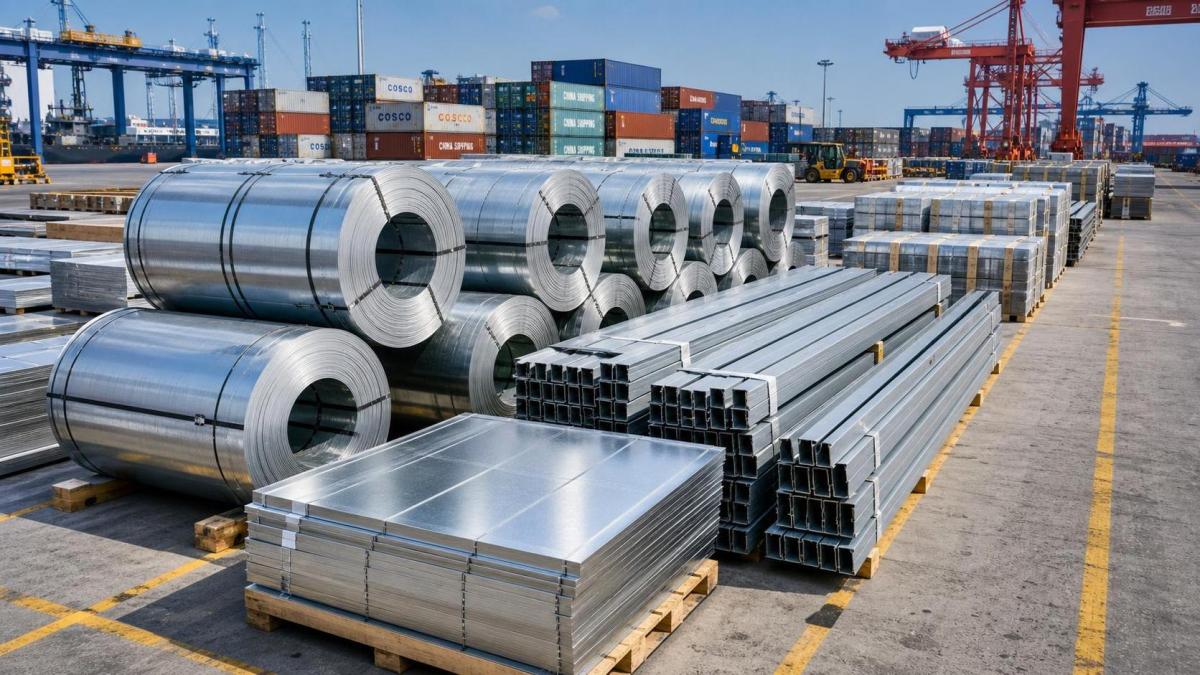
The case was initiated on July 10, 2026, as an annual antidumping review (AAR) concerning galvanized steel products originating in China. The products named in the provided information include hot-dip galvanized steel, electro-galvanized sections, and coils, with referenced HS codes including 7210.41, 7210.49, and 7212.20. According to the provided summary, the review will recalculate exporters' dumping margins and may influence customs clearance costs and compliance eligibility for exports to the United States over the coming 12 months.
Where the Immediate Pressure May Appear
For exporters shipping to the U.S. market
From an industry perspective, the most direct impact falls on trading companies and mills supplying galvanized steel to U.S. buyers. The review matters because reassessed dumping margins can affect the cost structure tied to future shipments. What deserves closer attention is whether product classification, transaction pricing, and supporting trade documents are complete and internally consistent.
For overseas importers and procurement teams
Overseas importers may face pressure at the customs and compliance stage. Based on the provided information, supplier qualifications, certificates of origin, and pricing files are areas that require advance review. The practical concern is not only tax exposure, but also the risk of clearance delays if documentation is incomplete or cannot support the declared transaction.
For logistics and compliance service providers
Supply chain intermediaries, customs brokers, and compliance service teams may see a heavier verification burden. Analysis shows that when a review directly affects admissibility and landed cost, service providers are often drawn into document checks, product scope confirmation, and shipment timing coordination. Their near-term focus is likely to be documentation accuracy and communication with both suppliers and importers.
What Companies Should Watch Now
Track official wording and scope application
Companies should pay close attention to how the reviewed product scope is described in official follow-up materials. The provided information identifies galvanized steel products such as hot-dip galvanized products, electro-galvanized sections, and coils, along with relevant HS codes. In practice, businesses need to distinguish between broad market assumptions and the exact language used for review coverage.
Review document readiness before shipment
The most immediate operational issue is document completeness. Based on the event summary, supplier qualification files, certificates of origin, and pricing documentation should be checked early rather than at the point of customs filing. This is particularly relevant for shipments already in planning or negotiation, where missing records can turn into timing or cost issues.
Reassess customer communication on cost and delivery
Analysis shows that even before a final outcome is known, customers may ask about possible cost changes, customs timing, or compliance status. Exporters and importers should prepare a clear communication line on what is already known, what remains under review, and which shipment assumptions may need adjustment.
Separate policy signal from confirmed result
It is more appropriate to understand this filing as the start of a review process, not as a confirmed final outcome. That distinction matters for procurement planning and contract execution. Companies should avoid treating the initiation itself as a final cost determination, while still preparing for tighter scrutiny in actual trade operations.
Why This Is a Watchpoint Rather Than a Final Outcome
Observably, this development signals renewed attention to compliance and pricing exposure in U.S.-bound galvanized steel trade from China. At the same time, the confirmed fact at this stage is the launch of the annual review itself. The commercial significance is real because the review may affect the next 12 months of customs and market access conditions, but the event should still be read as a process milestone that requires continued monitoring rather than as a settled trade result.
How to Read the Development at This Stage
For the industry, the main significance of this case is that it brings cost control, document integrity, and supplier screening back to the front of day-to-day trade execution. A neutral reading is that this is both an immediate compliance matter and a short-term operating risk signal. It is more appropriate to understand the development as a live regulatory process whose practical effect will depend on subsequent review outcomes and how businesses prepare in advance.
Basis of This Article and Follow-up Verification
This article is based on the user-provided news title, event date, and event summary. For this type of industry update, commonly relevant source categories may include official government notices, company disclosures, industry association updates, authoritative media reporting, and standard or trade-related documentation. A specific official source link was not provided in the input, so further verification remains necessary. Follow-up attention should focus on any later official wording, scope clarification, and procedural updates related to the annual antidumping review.
By clicking 'Allow All', you agree to the storage of cookies on your device to enhance site navigation, analyze site usage and assist with our marketing efforts. Coo Cookie Notice