



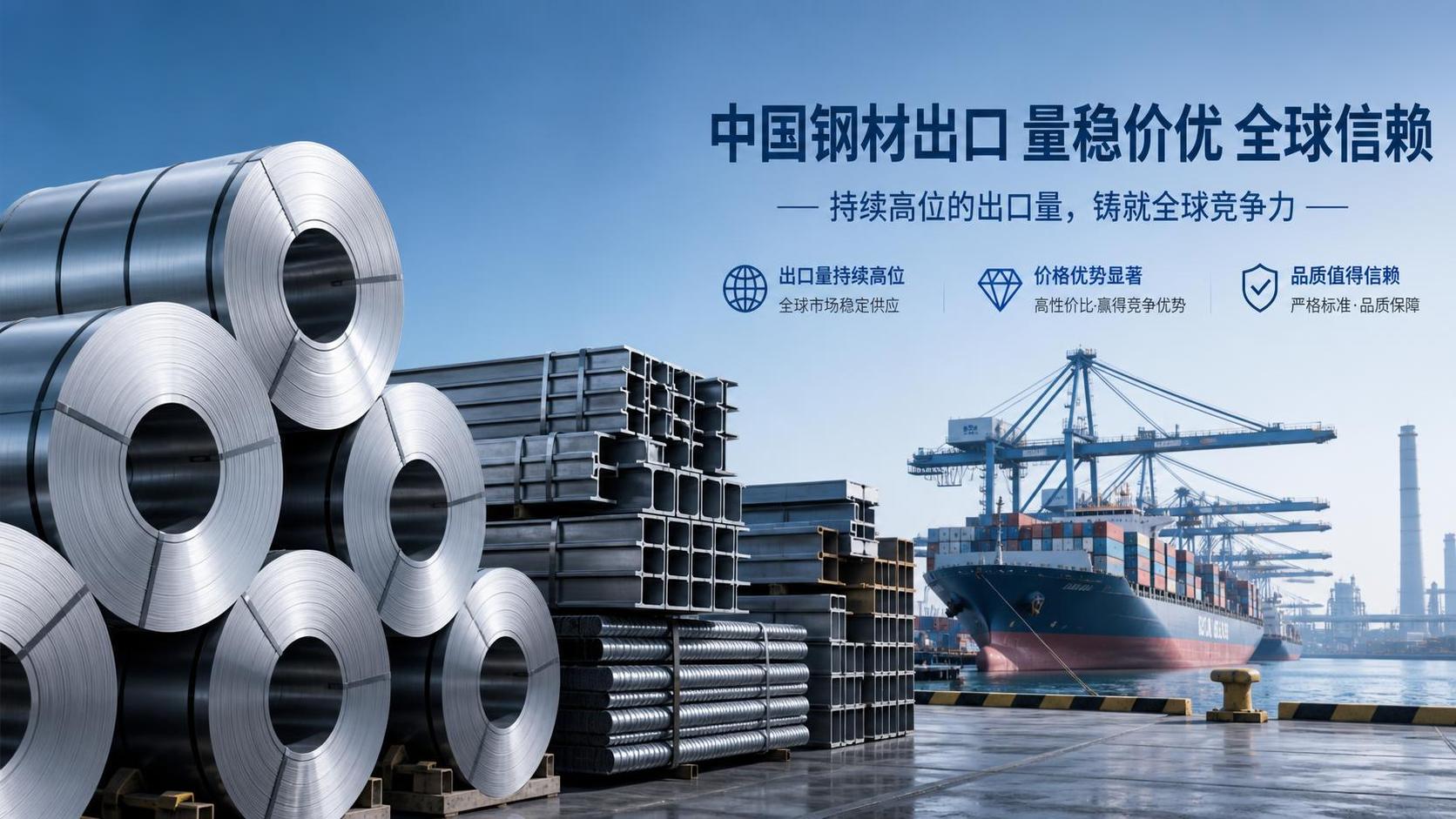
On July 1, 2026, the latest China steel export figures pointed to continued outbound volume resilience, with July shipments remaining above 10 million tons for a second straight month. For steel traders, overseas buyers, processors, distributors, and supply chain service providers, the development is worth close attention because it suggests that pricing remains a decisive factor in cross-border ordering, especially for small and mid-sized importers managing replenishment under rising trade and logistics pressure.
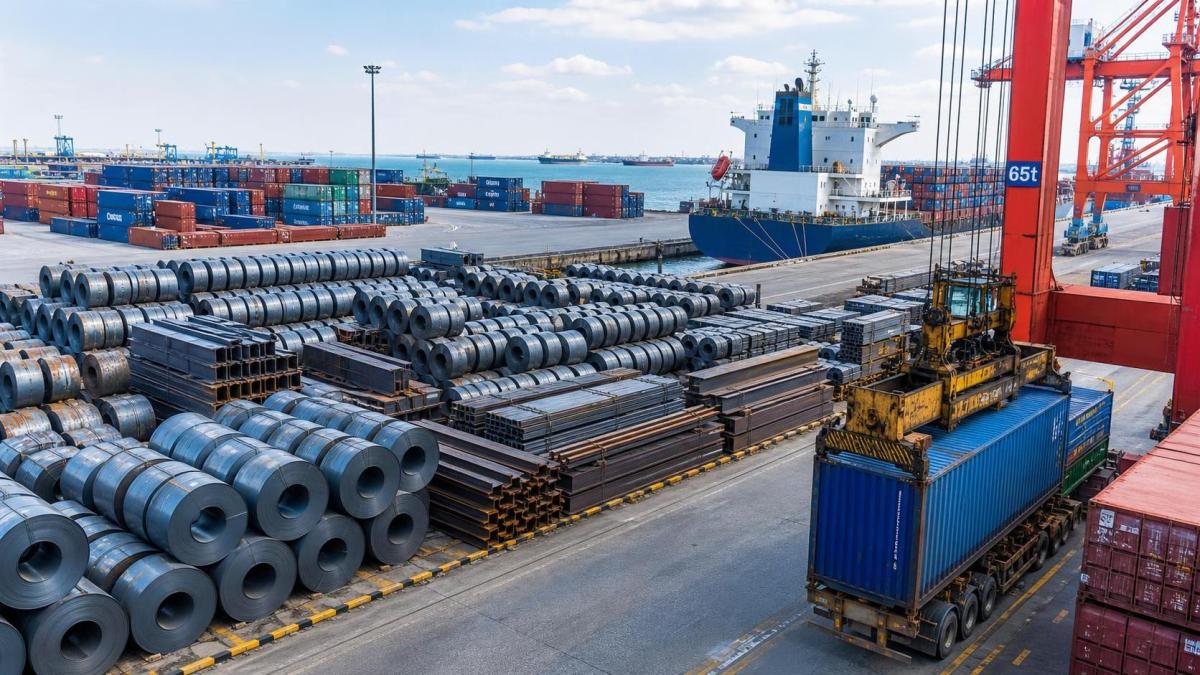
July export data and price comparisons in focus
According to data released by the General Administration of Customs on August 10, China exported 10.121 million tons of steel in July 2026, up 2.9% year on year. This marked the second consecutive month in which exports stayed above the 10 million ton level.
The same information shows that, despite the implementation of new steel policies in Europe and the United States and continued pressure from newly added trade remedy investigations in multiple countries, China’s hot-rolled coil FOB quotation stood at $483 per ton. That level remained below Japan at $545 per ton, Turkey at $608 per ton, and India at $490 per ton.
The reported price gap helped offset part of the pressure from higher tariffs and freight costs and supported a stable replenishment rhythm among small and medium-sized overseas importers.
Why different market participants are watching this closely
Export traders are balancing volume with external pressure
From an industry perspective, direct trading companies are likely to feel the impact first because export orders depend not only on headline demand but also on whether Chinese offers can still clear the added burden from tariffs and freight. What deserves closer attention is whether price competitiveness continues to outweigh policy friction in actual transactions.
Overseas buyers may keep prioritizing workable price spreads
For small and medium-sized importers, the current signal is practical rather than abstract. Analysis shows that when Chinese FOB levels remain below other major supplying countries, buyers may still find room to maintain replenishment, even in a more restrictive trade environment. The key business link here is purchasing cadence and order sizing.
Logistics and fulfillment service providers need to watch shipment continuity
Supply chain service providers, including those involved in documentation, booking, and delivery coordination, are also affected because continued export volume above 10 million tons implies sustained execution demand. Observably, the main issue is not just cargo movement, but whether rising external trade barriers translate into more complex fulfillment requirements.
Processors and downstream users should separate price signals from policy risk
For processors, distributors, and end-use buyers, the export data does not automatically mean broad market certainty. It is more appropriate to understand the development as a sign that price advantage is still functioning in some transactions. The operational focus should remain on sourcing options, delivery timing, and exposure to policy-related disruption.
What companies should monitor next
Track official wording and trade rule developments
Analysis shows that companies involved in export business should closely monitor follow-up official statements and any further rule changes linked to steel trade measures. The current data confirms ongoing pressure from new policies and trade remedy investigations, so the difference between policy headlines and enforceable business impact remains important.
Review product and market exposure through the lens of price competitiveness
What deserves closer attention is whether the current pricing edge in hot-rolled coil can continue to support order flow in target markets. For exporters and buyers alike, this is less about broad optimism and more about checking where the delivered cost still makes transactions viable.
Strengthen documentation and fulfillment readiness
Observably, companies should pay attention to practical execution items such as document preparation, supplier qualification checks, contract terms, and delivery cycle management. When trade remedy pressure is rising, transaction details and compliance materials can become more important in keeping shipments on schedule.
Keep customer communication tied to delivery and cost realities
For sales teams and procurement managers, the immediate priority is clear communication on pricing basis, freight changes, and expected fulfillment timing. The current export performance suggests that orders are still being placed, but maintaining that flow may depend on how clearly counterparties understand the total landed-cost picture.
Why this looks more like a pricing signal than a settled trend
In editorial observation, this development is best read as evidence that China’s price advantage is still materially influencing international steel purchases, even under tighter policy conditions. At the same time, it would be premature to treat two consecutive months above 10 million tons as a definitive long-term outcome. The more useful interpretation is that price spreads are currently strong enough to support ongoing buying from smaller overseas importers, but the durability of that support still needs continued observation.
How to read the July export result
The July figure matters because it shows that export momentum has not been erased by new steel policies in Europe and the United States or by additional trade remedy pressure elsewhere. Still, the broader industry takeaway should remain measured. It is more appropriate to understand this as a near-term indicator that price competitiveness continues to support transactions, rather than as proof that external pressure has lost relevance.
Basis of this article and points for further verification
This article is based on the user-provided news title, event date, and event summary. For this type of industry update, commonly relevant source categories include official government releases, company disclosures, industry association information, authoritative media reporting, and standards-related documents. A specific official source link was not provided in the input, so further verification remains necessary. Continued attention should focus on follow-up official statements, additional trade remedy developments, and whether the reported price advantage continues to support overseas replenishment patterns.
By clicking 'Allow All', you agree to the storage of cookies on your device to enhance site navigation, analyze site usage and assist with our marketing efforts. Coo Cookie Notice