



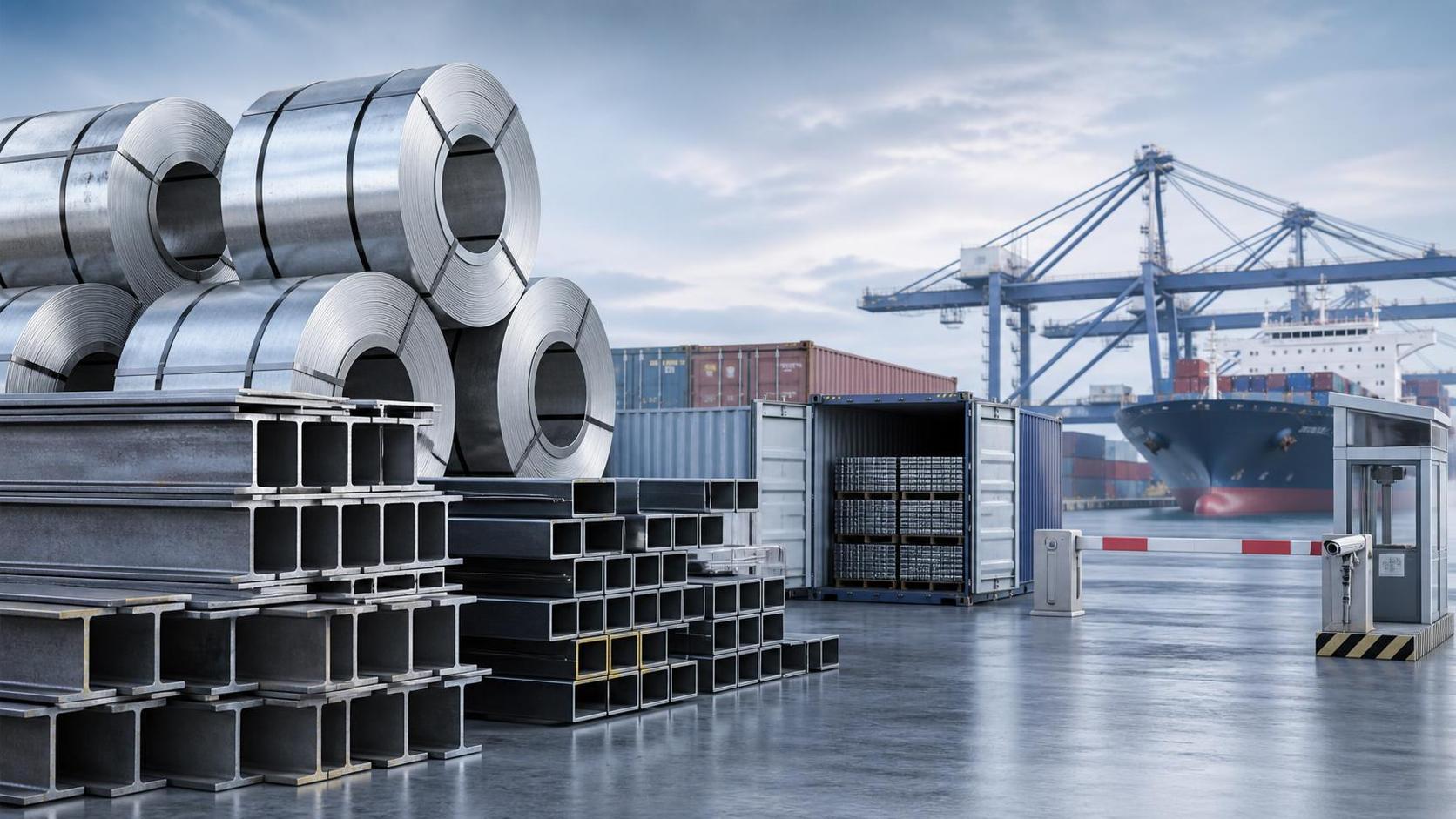
On July 1, 2026, the European Union put a new steel import quota regime into effect, cutting the annual duty-free volume to 18.3 million tonnes, raising the tariff on volumes above that threshold from 25% to 50%, and introducing routine origin checks aimed at possible third-country transshipment circumvention. For Chinese steel exporters, EU importers, and distribution channels tied to cross-border steel trade, this is a development worth close attention because it directly affects compliance declarations, landed-cost calculations, customs timing, and delivery planning.
What Has Officially Taken Effect
The confirmed changes are limited but material. As of July 1, 2026, the EU has formally implemented a new steel import quota policy. Under the new arrangement, the annual duty-free import quota has been reduced to 18.3 million tonnes. For imports exceeding that quota, the tariff rate has increased from 25% to 50%.
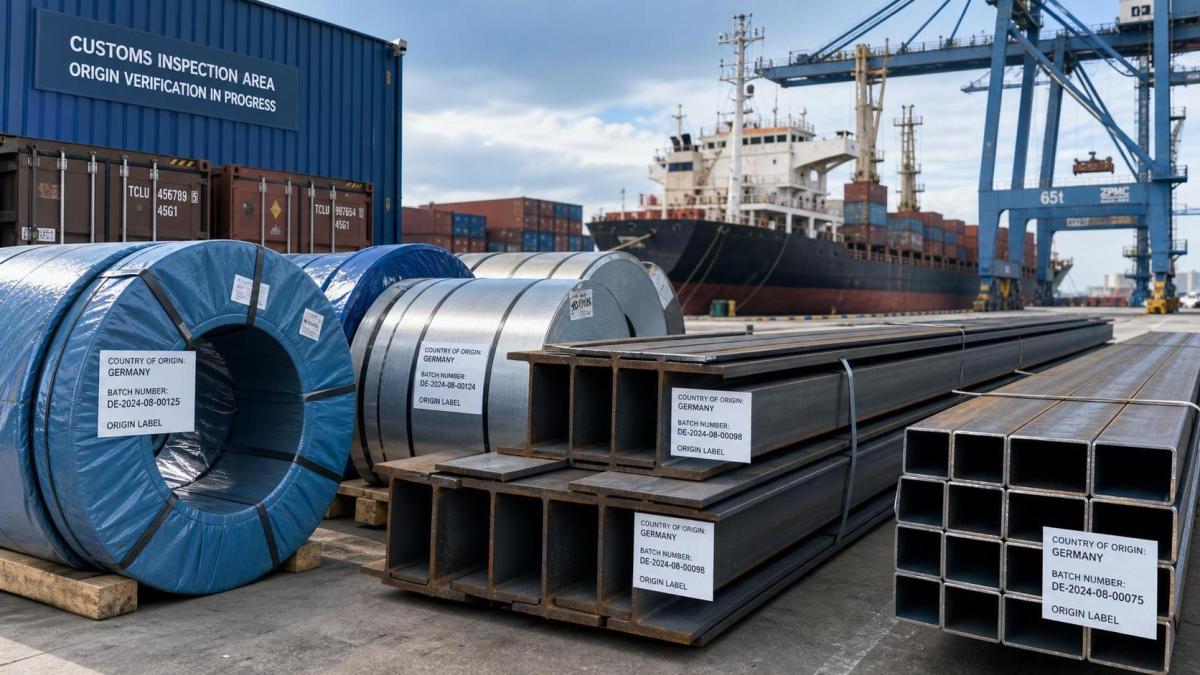
At the same time, the EU has activated a normalized origin inspection mechanism. The stated focus is on checking potential circumvention through third-country transshipment. Based on the information provided, the policy directly affects compliance filing, cost assessment, and delivery rhythm for Chinese steel exporters, while also creating practical pressure on procurement budgets, customs clearance efficiency, and supply chain resilience for EU importers and distributors.
Where the Pressure Is Likely to Appear First
Export-side compliance moves closer to the center of execution
From an industry perspective, Chinese steel exporters may feel the impact first in documentation and transaction execution. The reason is straightforward: tighter quota space and stronger origin checks increase the consequences of inaccurate declarations or weak supporting records. The most exposed business links are likely to be customs documentation, order confirmation, shipment scheduling, and internal cost accounting.
What deserves closer attention is whether export teams can align commercial terms, origin materials, and shipment timing with the new quota and inspection environment. Even when product demand remains unchanged, the compliance burden around each shipment becomes heavier.
Import budgeting becomes harder for EU buyers and distributors
For EU importers and distributors, the main issue is not only a higher potential tariff burden but also greater uncertainty in landed cost. Once cargo moves beyond the available quota, the jump from 25% to 50% changes budget assumptions materially. In practical terms, that can affect procurement pacing, contract pricing discussions, and margin planning.
Observably, customs timing also becomes a business variable rather than a routine operational step. If origin checks become more active in day-to-day clearance, import planning and inventory coverage may require closer coordination.
Supply chain service providers face more timing and coordination risk
Logistics, customs, and related supply chain service providers may also be affected because the policy touches both compliance review and delivery rhythm. Their exposure is tied to document readiness, coordination between trading parties, and the possibility of delays when origin scrutiny becomes more frequent.
The key change to watch is whether service workflows can support faster verification and clearer document matching. In this environment, execution quality matters as much as transport capacity.
What Companies Should Monitor in the Near Term
Watch for how the rule is applied in actual clearance practice
Analysis shows that the published policy direction and the way it is enforced in day-to-day customs handling are not always the same question. Companies involved in EU-bound steel trade should pay close attention to how quota treatment, origin review, and supporting-document expectations appear in actual transactions after July 1, 2026.
Recheck cost models against quota and tariff exposure
The increase in the over-quota tariff rate means prior cost models may no longer be reliable. Businesses should review how pricing, margin assumptions, and delivery commitments perform under both within-quota and above-quota scenarios. This is especially relevant where contracts were negotiated under different assumptions about tariff exposure.
Prepare origin documents for higher scrutiny
Because the new mechanism specifically emphasizes checks on third-country transshipment circumvention, origin-related files deserve immediate attention. Companies should focus on the consistency and completeness of declarations, transaction records, and supporting trade documents used in shipment and customs processes.
Align delivery communication with customers and partners
What deserves closer attention is the practical link between compliance review and delivery timing. Exporters, importers, and intermediaries may need tighter communication on shipment windows, clearance expectations, and contingency handling where inspections affect release schedules. The issue is not only regulatory exposure, but also whether delivery promises remain realistic under the new operating conditions.
Why This Looks Bigger Than a Routine Tariff Adjustment
Observably, this development should not be read only as a numerical tariff change. The combination of a smaller duty-free quota, a much higher over-quota rate, and routine origin checks points to a stricter operating environment for steel trade into the EU. Analysis shows that the practical meaning lies in how trade compliance and commercial execution are becoming more tightly connected.
It is more appropriate to understand this as both an immediate operational change and a longer-term policy signal that warrants continued observation. The confirmed facts already affect cost and process decisions now, but the full business effect will depend on how consistently inspections are applied and how market participants adjust shipment and procurement behavior.
How This Update Is Best Understood Now
At this stage, the policy is already a concrete change rather than a tentative discussion point. The quota reduction, the increase in the over-quota tariff to 50%, and the start of routine origin checks all create immediate implications for steel trade execution between Chinese exporters and the EU market. At the same time, the broader commercial impact still needs to be observed through actual customs practice, order flow, and supply chain response.
For industry participants, the most balanced reading is that this is a confirmed near-term rule change with potential longer-tail implications. It should be treated neither as a temporary procedural detail nor as a basis for overstated conclusions before more implementation evidence becomes visible.
Basis of This Article and Ongoing Verification
This article is based on the user-provided news title, event date, and event summary. The analysis is limited to the confirmed information supplied: the EU steel import quota change taking effect on July 1, 2026, the reduction of the annual duty-free quota to 18.3 million tonnes, the increase in the over-quota tariff from 25% to 50%, and the introduction of routine origin checks targeting possible third-country transshipment circumvention.
For this type of development, relevant source categories would typically include official notices, corporate disclosures, industry association updates, authoritative media coverage, and standard-setting or regulatory documents. No specific official source link was provided in the input, so continued verification remains necessary. Follow-up attention should focus on any further official wording, enforcement detail in customs practice, and market-side responses affecting procurement, delivery, and compliance workflows.
By clicking 'Allow All', you agree to the storage of cookies on your device to enhance site navigation, analyze site usage and assist with our marketing efforts. Coo Cookie Notice