



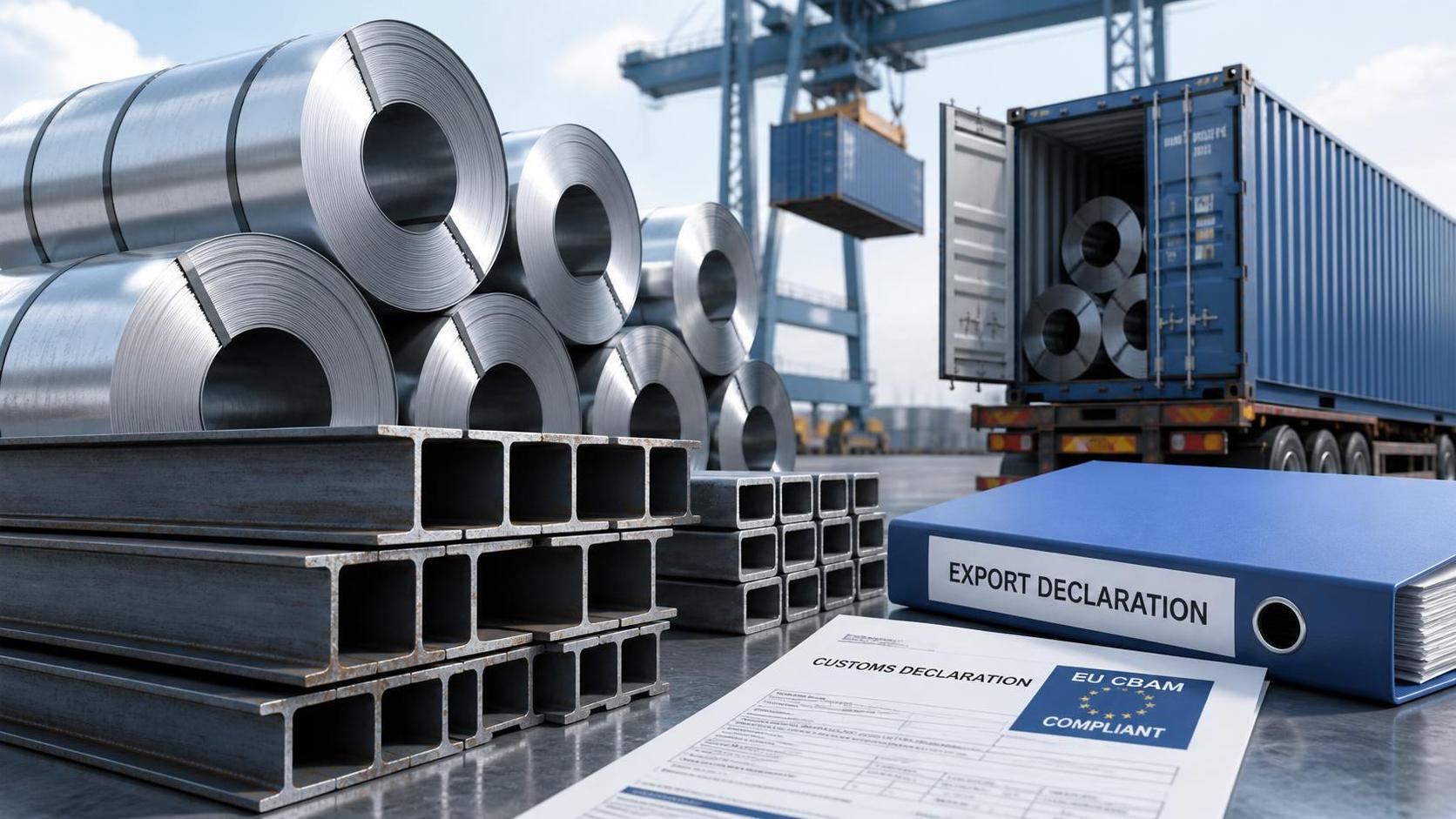
On August 10, 2026, the EU formally moved steel products into the third phase of CBAM implementation, requiring importers to submit certified embedded carbon emissions data for each batch of covered steel through the EU CBAM portal. For exporters, importers, verification partners, and downstream buyers working with hot-rolled, cold-rolled, and structural steel products, this is not just a compliance update. It directly affects customs clearance, document preparation, and purchasing coordination across cross-border steel trade.
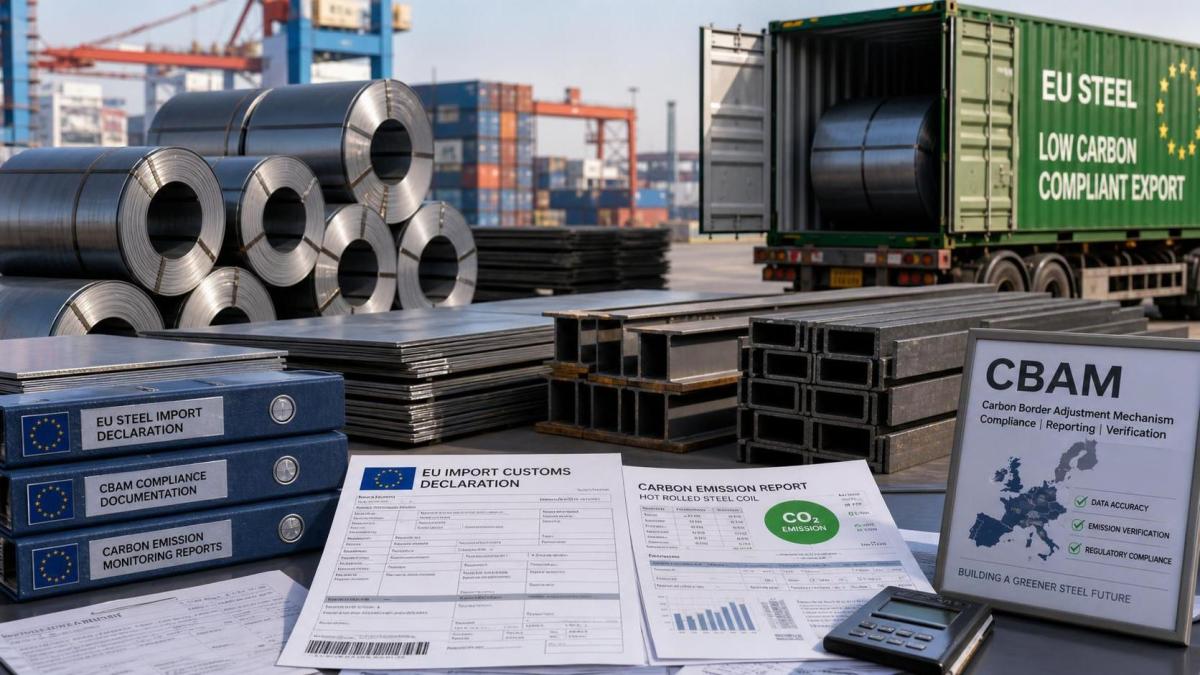
What the new filing requirement now covers
According to the provided information, the third phase of EU CBAM took effect on August 10, 2026 and applies to all hot-rolled, cold-rolled, and structural steel products, including H-beams, angle steel, and channel steel. Importers are required to report the certified embedded carbon emissions of each shipment in tCO₂e/t through the EU CBAM portal. If the declaration is not compliant, the shipment may face customs delays or be refused entry.
The same information also indicates that the requirement directly affects Chinese steel exporters in three immediate areas: export document preparation, cooperation with third-party verification parties, and procurement processes on the buyer side.
Where the pressure is likely to appear first
Trade execution is becoming more documentation-dependent
From an industry perspective, direct trading companies are likely to feel the impact first because the new requirement is tied to batch-level declarations. The immediate pressure point is not only the physical movement of goods, but also whether shipment documents can support a compliant filing before customs clearance. What deserves closer attention is the alignment between cargo batches and emissions data records.
Verification partners move closer to the transaction timeline
Analysis shows that third-party verification cooperation becomes more operationally sensitive under this phase. Because the embedded carbon figure must be certified and submitted for each batch, verification is no longer a background compliance task. It becomes part of the delivery schedule and may influence whether documents are complete in time for import procedures.
Buyer-side procurement workflows may slow or tighten
For downstream buyers and procurement teams, the impact is likely to show up in supplier selection, order timing, and document review. Observably, a purchase decision is no longer only about product specification and delivery, but also about whether the supplier can support the required carbon data submission. That makes procurement coordination more dependent on upstream reporting readiness.
Supply chain service providers may face more coordination work
Logistics, customs, and related service providers may also need to track whether the filing package is complete before goods move into clearance stages. Analysis shows that the operational risk here is procedural: if embedded carbon reporting is missing or not compliant, the commercial shipment may be delayed regardless of physical delivery progress.
What companies should watch in day-to-day operations
Check whether covered products are correctly identified
Companies dealing in hot-rolled, cold-rolled, and structural steel should first review whether their exported or imported products fall within the covered scope described in the provided information. For businesses handling H-beams, angle steel, channel steel, and similar sections, product classification and shipment matching deserve immediate attention.
Prepare export files around batch-level emissions reporting
Analysis shows that document preparation is now a core execution issue rather than a secondary compliance step. Firms should pay close attention to whether each shipment batch can be linked to certified embedded carbon emissions data in the format required for portal submission. The practical issue is not abstract policy understanding, but whether the file set is complete when goods are ready to move.
Reassess how verification work is scheduled
What deserves closer attention is the timing of third-party verification cooperation. If certification work is handled too late in the shipment cycle, the risk may appear at customs clearance rather than earlier in internal review. Companies should therefore treat verification coordination as part of order execution planning.
Align buyer communication with compliance readiness
For exporters serving EU-facing customers, buyer communication may need to become more specific around carbon data availability, supporting documents, and delivery timing. Observably, procurement processes on the downstream side may become more cautious where the reporting package is unclear, incomplete, or not ready at batch level.
Why this matters beyond a single filing step
Analysis shows that this development is more than a narrow reporting adjustment for steel shipments. It indicates that carbon data is becoming embedded in the transaction process itself for covered steel imports into the EU. At the same time, it is more appropriate to understand this as an operational compliance signal rather than a fully settled long-term market conclusion, because the provided information confirms the filing obligation and its immediate consequences, but does not establish broader market outcomes.
Observably, the strongest near-term significance lies in execution discipline: whether exporters, importers, and buyers can connect product scope, certified emissions data, and customs timing without gaps. That is why the event deserves continued industry attention.
How this update is best understood now
At this stage, the clearest industry meaning of the new requirement is that covered steel trade into the EU now faces a more document-intensive and verification-linked process at shipment level. The immediate issue is compliance readiness, not speculation about wider results. It is more appropriate to understand this as both a short-term operational change and a longer-term signal that carbon reporting is moving closer to core trade execution for steel products.
Basis of this article and points for follow-up
This article is based on the user-provided news title, event date, and event summary. For this type of development, relevant source categories would typically include official announcements, company disclosures, industry association updates, authoritative media coverage, and standards-related documents. A specific official source link was not provided in the input, so the exact wording and any later implementation clarifications still need ongoing verification. Follow-up attention should remain on any further official clarification, filing details, and practical changes affecting export documentation, third-party verification coordination, and buyer procurement procedures.
By clicking 'Allow All', you agree to the storage of cookies on your device to enhance site navigation, analyze site usage and assist with our marketing efforts. Coo Cookie Notice