




On August 9, 2026, the U.S. Department of Commerce (DOC) announced an expedited sunset review of the anti-dumping duty order covering hot-rolled steel coil (HRC) from China. The review will determine whether the current duty range of 12.5% to 47.2% should remain in place, with a result expected before February 2027. For importers, traders, procurement teams, and supply-chain service providers connected to the U.S. market, this is not just a procedural update; it is a live trade-rule development that can affect landed cost assumptions, customs compliance, and the structure of longer-term purchasing commitments.
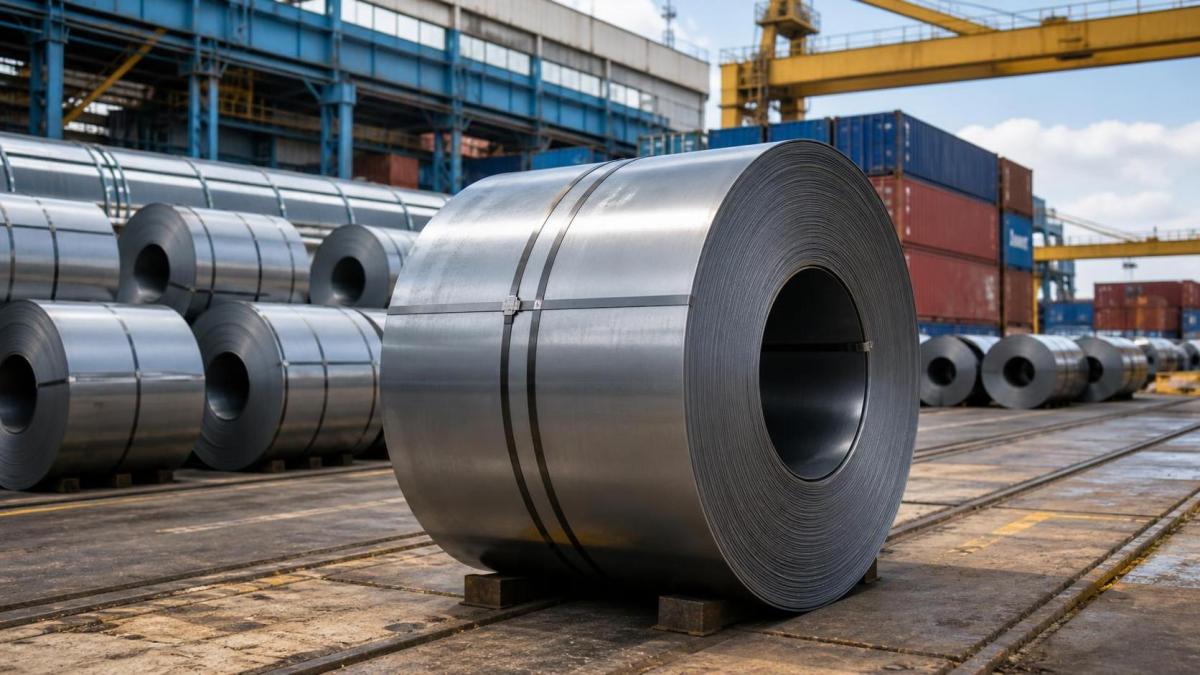
What the announced review actually covers
The confirmed facts are limited but commercially significant. The DOC has formally started the first expedited sunset review of the anti-dumping duty order on Chinese-origin HRC. The review was announced on August 9, 2026, and it will examine whether the existing anti-dumping duty rates, currently listed at 12.5% to 47.2%, should continue. Based on the provided information, the outcome is expected before February 2027.
No final determination has been issued at this stage. The current development is the launch of the review process itself, and the practical significance lies in the possibility that the existing duty treatment may be continued following that review.
Where the pressure points may appear in current trade flows
Import-side purchasing decisions may need tighter cost controls
From an industry perspective, U.S.-facing importers and procurement teams are among the most directly exposed roles because the review concerns whether existing anti-dumping duties remain in effect. That means current sourcing decisions, price comparisons, and long-term order planning may need to be tested against the possibility of continued duty costs rather than assuming a near-term policy reset. What deserves closer attention is the treatment of contracts, shipment timing, and internal cost models linked to Chinese-origin HRC.
Customs and trade-compliance teams may face closer document discipline
Observably, customs clearance and trade-compliance functions may be affected because anti-dumping enforcement depends heavily on correct product identification, origin treatment, and supporting documentation. While the provided information does not set out any new filing rule, companies involved in import declarations, commercial documentation, and internal compliance review should pay close attention to whether their documentation sets are complete, consistent, and aligned with current trade treatment.
Supply-chain intermediaries may need to reassess delivery and order assumptions
Traders, distributors, and supply-chain service providers may also feel the effect in more practical terms. Where delivery schedules, quoted prices, or longer booking windows are tied to U.S.-bound HRC business, the review introduces an active policy variable into transaction planning. Analysis shows that the main exposure here is not a confirmed rule change today, but the need to manage uncertainty in procurement timing, customer quotations, and order duration while the review remains pending.
What companies should track before the review result
Keep internal compliance files ready for trade scrutiny
Analysis shows that companies handling Chinese-origin HRC for the U.S. market should review whether product descriptions, origin-related records, customs documents, and contract files are organized for a stricter compliance check. This is especially relevant where import cost calculations and customs handling depend on consistent classification and documentation logic.
Watch for official wording and any execution clarifications
What deserves closer attention is not only the existence of the review, but also how later official wording frames the continuation question and any related execution language. The current input does not provide detailed implementation guidance, so it is more appropriate to treat this period as one for monitoring formal updates rather than assuming a settled enforcement outcome beyond the review already announced.
Recheck procurement cycles and long-term order structures
For procurement and sales teams, the review period may justify a fresh look at quotation validity, supplier commitments, and longer-duration contracts tied to U.S. delivery. Analysis shows that businesses should pay attention to whether their order structures can absorb continued duty exposure and whether delivery timing assumptions remain commercially workable under the current review timeline.
Coordinate trade, logistics, and commercial teams early
Observably, this type of development sits across several functions at once: trade compliance, purchasing, logistics, and account management. Companies may need closer internal alignment on how they communicate cost assumptions, customs handling expectations, and delivery risk to customers and counterparties while the result remains pending.
Why this looks more like an active policy signal than a settled outcome
From an industry perspective, this development is better understood as an active trade-policy signal rather than a completed rule change. The review has already been launched, so the process itself is real and relevant. At the same time, the final outcome is still pending. That distinction matters: businesses should not treat the announcement as a new final duty decision, but they also should not dismiss it as routine background noise because it directly touches the continuation of existing anti-dumping rates and the planning assumptions built around them.
Analysis shows that the commercial importance of the case lies in its timing and its effect on decision-making before the final result is published. In that sense, the review period may influence market behavior even before any formal conclusion is issued.
How this update is best understood for now
At this stage, the announcement is most appropriately read as a live regulatory and trade-compliance development with near-term implications for cost planning, customs preparation, and order management in the U.S.-linked HRC trade. It does not yet establish a new final outcome, but it does create a clear watchpoint for businesses exposed to Chinese-origin hot-rolled steel coil. A measured reading is more appropriate than a directional conclusion: the review is already in motion, while the final treatment still requires continued observation through the expected result window before February 2027.
Basis of this article and what still needs verification
This article is based on the user-provided news title, event date, and event summary. For developments of this kind, commonly relevant source types include official government announcements, releases from trade or regulatory authorities, customs or trade-administration information, industry association updates, standard-setting documents, and reporting by established business or trade media.
A specific official source link was not provided in the input, so the exact primary publication should still be verified on an ongoing basis. Observably, the points that still require continued monitoring include later official wording, any clarification on execution practice, changes in procurement or tender documentation, market feedback, and how affected companies adjust their compliance and purchasing actions during the review period.
By clicking 'Allow All', you agree to the storage of cookies on your device to enhance site navigation, analyze site usage and assist with our marketing efforts. Coo Cookie Notice