




On August 8, 2026, the European Union formally moved steel imports into the third phase of its Carbon Border Adjustment Mechanism (CBAM) for hot-rolled, cold-formed, and structural steel sections. For importers dealing in products such as H-beams, square and rectangular tubes, and angle steel, the change matters immediately because embedded carbon emissions must now be declared through the CBAM system and matched with pre-purchased CBAM certificates. That makes this development relevant not only to traders, but also to procurement teams, manufacturers, logistics coordinators, and buyers managing delivery timing, landed cost, and supplier documentation.
What Has Taken Effect From August 8
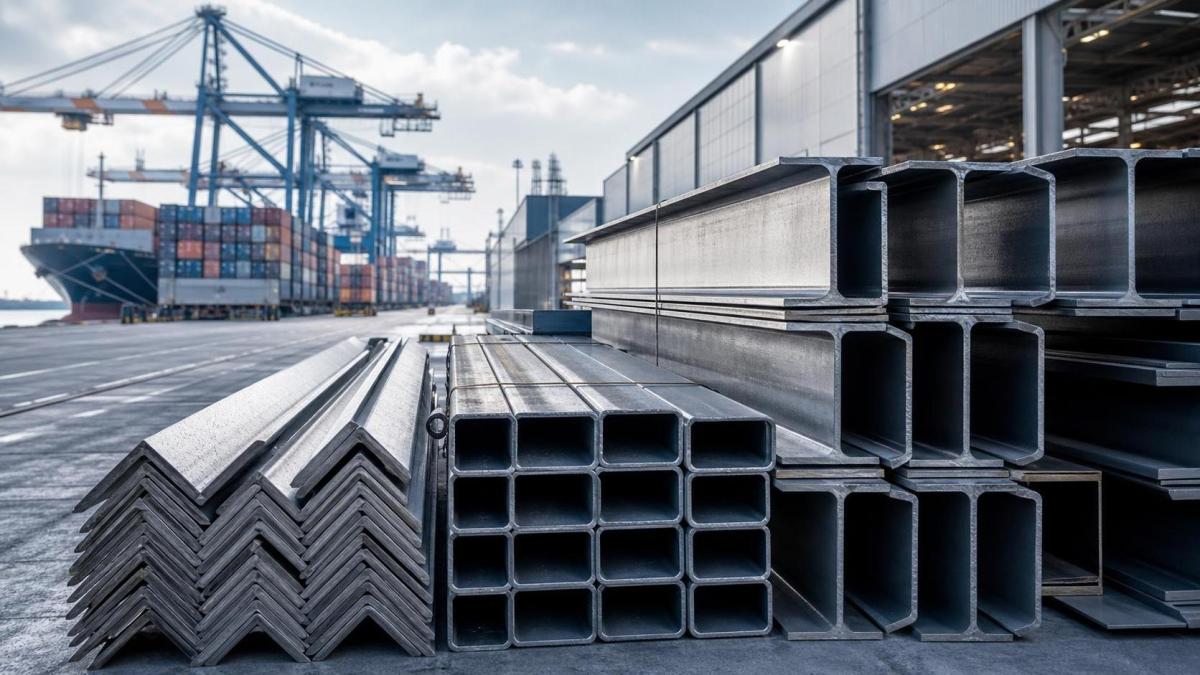
According to the information provided, the EU CBAM entered its third phase on August 8, 2026. This phase covers all imports of hot-rolled, cold-formed, and structural steel sections, including H-beams, square and rectangular tubes, and angle steel.
Importers are required to declare the embedded carbon emissions of the covered products through the CBAM system. They must also pre-purchase a corresponding number of CBAM certificates.
Non-compliant declarations may lead to customs clearance delays or refusal of entry for the goods. The requirement directly affects supply chain arrangements and cost accounting for global steel buyers sourcing from China.
Where The Pressure Appears Across The Supply Chain
Trade flows now depend on emissions reporting readiness
From an industry perspective, direct trading companies are likely to feel the impact first because their transactions connect overseas customs compliance with upstream supply documentation. The immediate pressure point is whether shipment paperwork can support a timely CBAM declaration. What deserves closer attention is the risk that a commercial deal remains intact while the customs process becomes the weak link.
Procurement teams face a more complex landed-cost calculation
Analysis shows that buyers and procurement departments are affected not only by product price, but also by the requirement to pre-purchase CBAM certificates. The practical impact is on cost estimation, supplier comparison, and order timing. Companies that previously focused mainly on steel grade, section type, and delivery terms may now need to treat embedded emissions data as part of the purchasing decision.
Manufacturing and processing businesses may be drawn into documentation work
For processors and manufacturers shipping covered steel sections into the EU market, the issue is not limited to production output. Observably, the business effect may appear in document preparation, coordination with customers, and delivery scheduling. Even where the importer is the formal declarant, upstream suppliers may still come under pressure to provide the emissions-related information needed to keep cargo moving.
Logistics and delivery planning gain a compliance dimension
Supply chain service providers and logistics coordinators may also need to pay closer attention. The reason is straightforward: when non-compliant declarations can cause customs delays or refusal of entry, shipment planning is no longer only a matter of transport and handover. The operational concern shifts toward whether cargo can clear on schedule once it reaches the EU border.
What Companies Should Watch In Practice
Check whether product coverage is being interpreted consistently
Companies handling hot-rolled, cold-formed, or structural steel sections should first confirm whether their exported or imported product mix falls within the covered scope described in the provided information. In practical terms, attention should center on the categories specifically mentioned, including H-beams, square and rectangular tubes, and angle steel.
Prepare for emissions data as a shipment-critical document set
Analysis shows that embedded carbon emissions data is now part of the compliance path, not a side issue. Businesses should closely monitor whether the data needed for CBAM declarations can be obtained in time for shipment, customer filing, and customs processing. The distinction between commercial readiness and compliance readiness is especially important here.
Revisit supplier communication and delivery timing
What deserves closer attention is coordination between importer, exporter, and supplier. If CBAM certificates must be pre-purchased and declarations must be submitted through the CBAM system, then timing gaps between order confirmation, document preparation, and border arrival could become more visible. Companies involved in EU-bound steel trade should watch how this affects promised lead times and handover responsibilities.
Separate policy signal from operational execution
Observably, the policy requirement is clear in principle, but the day-to-day business issue is whether internal teams and counterparties can execute against it without disruption. For many firms, the key task is not broad strategy language but transaction-level discipline: product identification, document alignment, customer communication, and contingency planning for clearance risk.
Why This Looks Like More Than A Short-Term Adjustment
As an editorial observation, this development is better understood as an operational threshold rather than a routine policy update. The reason is that the requirement directly links carbon reporting to import access, certificate purchasing, and customs handling. That gives it immediate relevance in live transactions.
At the same time, it would be premature to treat every commercial outcome as already settled. Based on the information provided, the confirmed fact is the start of Phase 3 coverage and the related declaration and certificate requirements. The broader market response, supplier adaptation pace, and cost pass-through effects remain areas that still need observation rather than assumptions.
How To Read This Development Now
At this stage, it is more appropriate to understand the EU's move as both a near-term compliance change and a longer-term signal for steel trade into the European market. In the short term, it affects filing, customs risk, and procurement calculations. In the broader industry sense, it signals that carbon-related data is becoming tied more directly to transaction execution for covered steel sections.
A measured conclusion is that the immediate issue is not abstract policy discussion but whether companies involved in relevant steel imports can align emissions reporting, certificate preparation, and shipment timing. The full commercial impact still requires continued observation.
Basis Of This Article And What Still Needs Verification
This article is based on the user-provided news title, event date, and event summary concerning the EU's formal implementation of CBAM Phase 3 for steel section imports on August 8, 2026.
For this type of development, source categories typically worth tracking include official announcements, company disclosures, industry association updates, authoritative media reporting, and standards-related documents. No specific official source link was provided in the input, so the exact official reference still needs ongoing verification.
Further attention should remain on any later official wording, implementation details, and transaction-level clarification that may affect covered products, declaration practice, and customs handling.
By clicking 'Allow All', you agree to the storage of cookies on your device to enhance site navigation, analyze site usage and assist with our marketing efforts. Coo Cookie Notice