



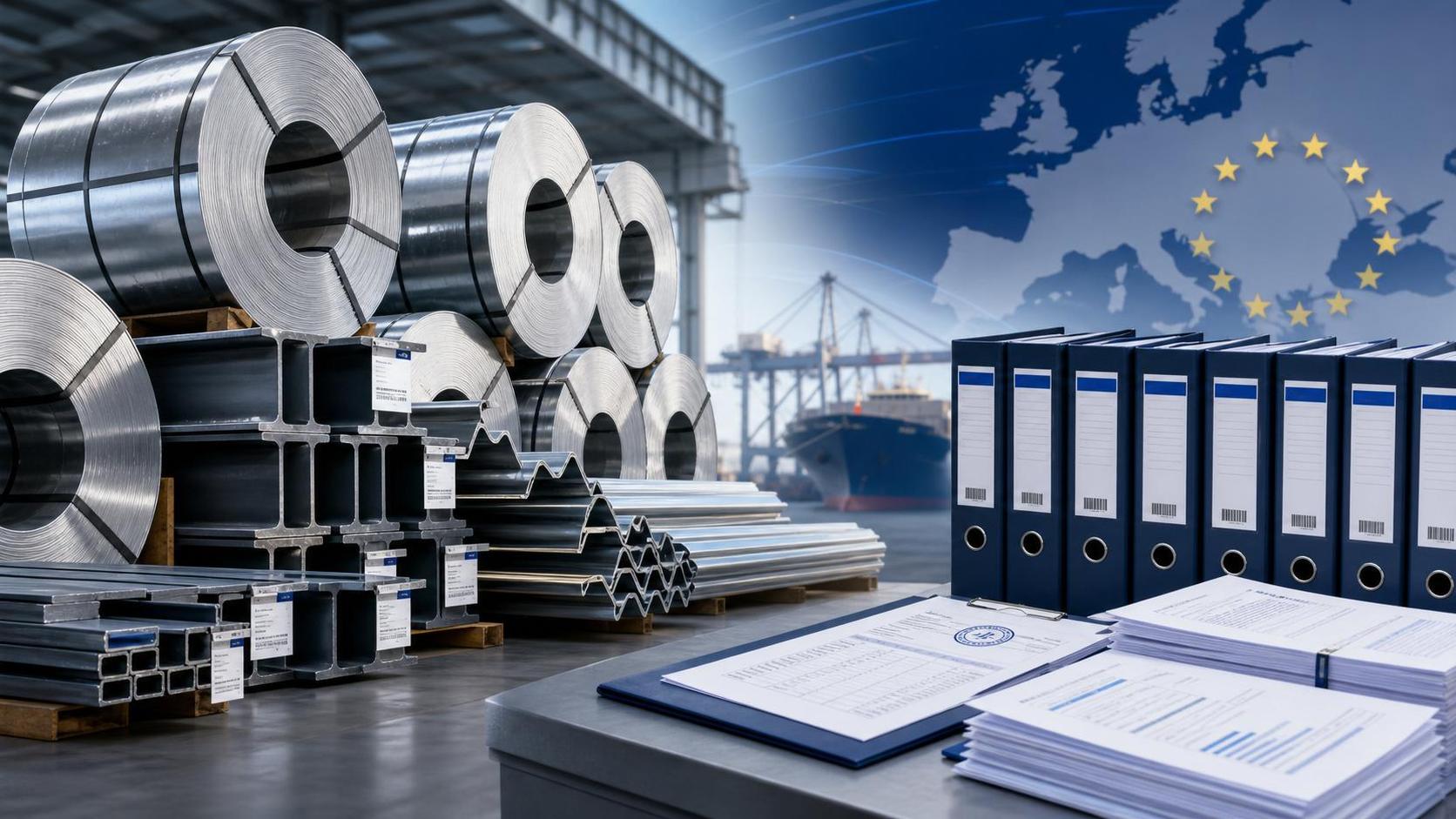
On July 19, 2026, the European Commission formally put into effect the third transitional-stage reporting obligations under CBAM for steel. For Chinese exporters shipping products such as hot-rolled coil, H-beams, and cold-formed sections into the EU, the change moves carbon reporting from a general policy discussion into a quarterly compliance task tied to customs handling, procurement costs, and shipment timing. This makes the update particularly relevant for exporters, suppliers, manufacturers, traders, and logistics or customs service providers involved in steel deliveries to the European market.
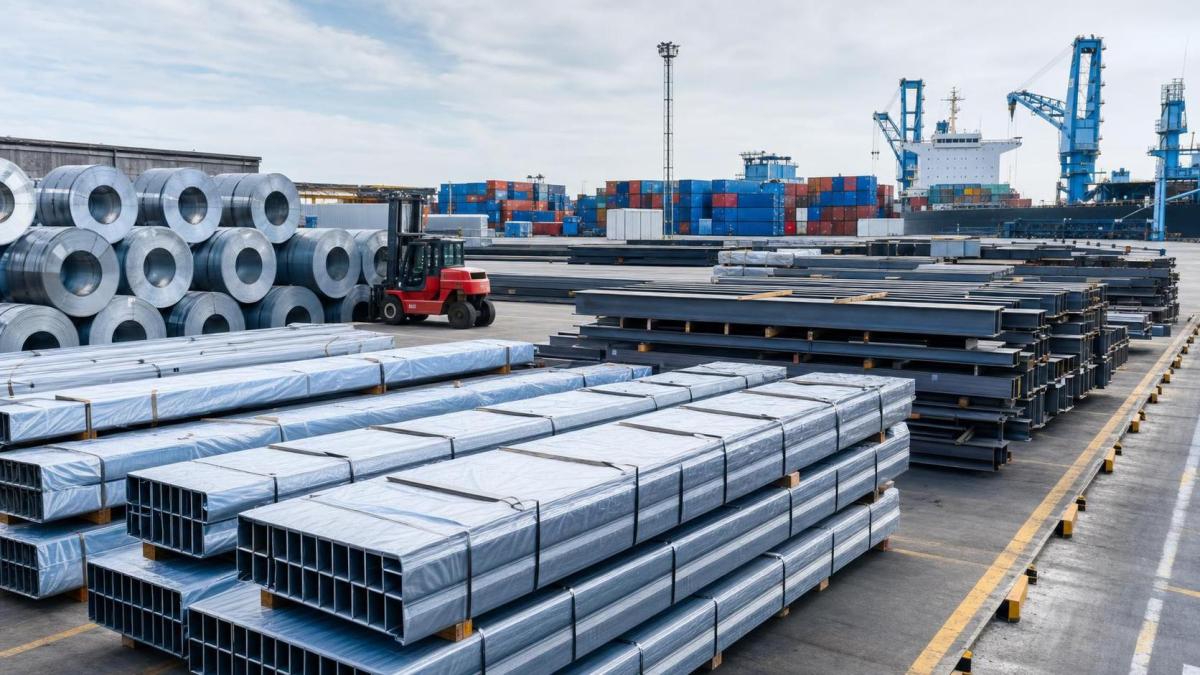
What the New Reporting Obligation Covers
According to the information provided, the third transitional phase of the EU CBAM regime began in full on July 19, 2026. From that date, Chinese exporters selling steel products to the EU, including hot-rolled coil, H-beams, and cold-formed sections, are required to submit quarterly data on embedded carbon emissions together with third-party verification reports.
The confirmed information also indicates that the new requirement has a direct effect on compliance costs in procurement and on customs clearance timing. Where the reporting standard is not met, companies may face delayed release of goods or be asked to provide additional guarantees.
Where the Pressure Appears Along the Supply Chain
Export-facing steel sellers now carry a heavier filing burden
For companies directly exporting covered steel products to the EU, the immediate impact is procedural as much as commercial. They are the parties that must organize quarterly embedded-emissions submissions and third-party verification, which means document readiness becomes part of shipment execution rather than a back-office formality. What deserves closer attention is whether existing export documentation workflows can support this reporting rhythm without slowing dispatch or customs handover.
Upstream procurement teams may face new documentation demands
From an industry perspective, procurement teams involved in sourcing steel for EU-bound orders may also feel the effect. The provided information confirms an impact on procurement compliance costs, which suggests that carbon-related supporting materials and verification readiness may become part of supplier qualification and order preparation. The practical issue is not only price, but whether procurement files can support the reporting package needed downstream.
Processors and manufacturers may need tighter handoffs with exporters
Manufacturers and processors producing covered items for export are likely to be affected through operational coordination. Where a product is shipped into the EU, embedded-emissions reporting and third-party verification create a stronger need for traceable production-related information to move cleanly from plant level to export documentation. Observably, this raises the importance of internal record consistency, even though the input information does not specify detailed technical reporting methods.
Customs and supply-chain service providers face timing risk
Logistics coordinators, customs agents, and other supply-chain service providers may not be the reporting entities themselves, but they are exposed to the consequences if filings are incomplete or not accepted in time. Since the provided information explicitly mentions possible delayed release or requests for additional guarantees, service providers will need to watch for changes in lead times, document checks, and client communication around shipment readiness.
What Companies Should Watch in Practical Terms
Quarterly reporting is now an operational deadline
The most immediate issue is that quarterly submission is no longer an abstract compliance topic. Companies handling EU-bound steel orders need to treat reporting cycles as part of order management, shipment preparation, and customs planning. Missing or weak reporting could affect the movement of goods, not just internal compliance records.
Third-party verification should be treated as a delivery-side requirement
The requirement for third-party verification means companies should pay close attention to whether supporting materials are complete and aligned before goods approach customs processing. Analysis shows that verification readiness is relevant not only for compliance teams, but also for sales, export operations, and delivery scheduling because timing failures could create downstream release issues.
Product scope and transaction scope need careful review
The information provided names hot-rolled coil, H-beams, and cold-formed sections, which makes product classification and transaction screening an immediate point of attention. Companies should closely review which EU-bound steel shipments fall within their current reporting obligations and ensure internal teams are using the same product and order definitions when preparing documents.
Customer and supplier communication may need to move earlier
Because the new rules affect compliance costs and customs timing, firms should watch the commercial side as well as the regulatory side. In practice, this means discussing documentation responsibilities, submission readiness, and possible timing impacts earlier with suppliers, buyers, and service partners. The policy signal and the day-to-day delivery process are not the same thing, and the gap between the two is where delays usually become visible.
Why This Looks Like More Than a Short-Term Filing Change
Analysis shows that this development is better understood as a concrete compliance signal rather than a one-off administrative adjustment. The confirmed facts do not establish final long-term market outcomes, but they do show that carbon-related reporting for steel exports to the EU has become a recurring operational requirement with direct implications for cost and customs timing.
It is also more appropriate to understand this as an industry development that still requires close observation. The reporting obligation is already in effect, yet the broader commercial impact on procurement practice, supplier coordination, and delivery planning will likely depend on how consistently companies can produce the required data and verification over time.
How the Market Should Read This Update Now
At this stage, the most balanced reading is that the EU's CBAM transition-phase reporting for steel has moved into a stricter execution phase for Chinese exporters serving the EU market. The immediate significance lies in compliance workflow, documentary discipline, and shipment reliability rather than in any confirmed market reshaping. For the industry, this is less a headline to note once and more a rule change that needs to be tracked through actual transactions and customs practice.
Basis of This Article and What Still Needs Verification
This article is based on the user-provided news title, event date, and event summary concerning the European Commission's formal implementation of CBAM transitional reporting obligations for steel as of July 19, 2026.
For this type of development, relevant source categories typically include official announcements, company disclosures, industry association updates, authoritative media reporting, and standard-setting or compliance-related documents. No specific official source link was provided in the input, so the exact official reference remains to be verified on an ongoing basis. What deserves further attention is whether subsequent official wording, implementation guidance, or procedural clarification changes how companies prepare emissions data, verification materials, and customs documentation in practice.
By clicking 'Allow All', you agree to the storage of cookies on your device to enhance site navigation, analyze site usage and assist with our marketing efforts. Coo Cookie Notice