




On July 24, 2026, the U.S. Department of Commerce formally opened the first expedited sunset review of the antidumping duty order on hot-dipped galvanized steel sheet (HDG) from China. For companies tied to U.S. steel imports, customs handling, downstream manufacturing, and cross-border sourcing, the development matters because it will determine whether the current 12.3% to 68.9% antidumping duties remain in place, with a decision expected in January 2027.
What the review covers
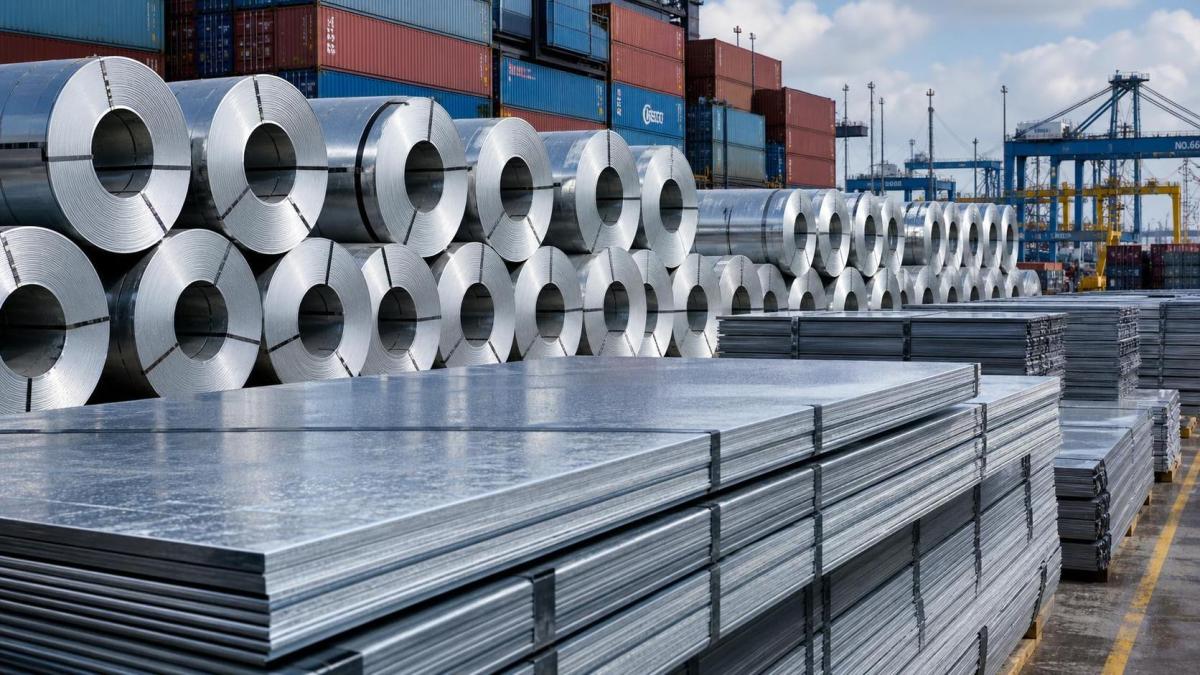
According to the announced information, the review concerns hot-dipped galvanized steel sheet originating in China and includes tariff classifications such as 7210.41.00 and 7210.49.00. The proceeding is an expedited sunset review of the existing antidumping duty order. Its purpose is to decide whether the current antidumping duties, now ranging from 12.3% to 68.9%, should continue. The result is expected in January 2027.
Where the pressure points may emerge
Import decisions face cost uncertainty
From an industry perspective, U.S. importers are among the most directly exposed participants because the review centers on whether existing duty rates stay in effect. The main impact may appear in landed cost calculations, contract timing, and customs compliance planning. What deserves closer attention is whether purchasing decisions made before the expected January 2027 outcome are structured with enough flexibility to account for duty continuity risk.
Downstream manufacturers may need to revisit sourcing assumptions
For manufacturers using HDG as an input, the review may influence procurement planning rather than immediate physical supply conditions. Analysis shows that the key issue is not only the duty rate itself, but also whether cost assumptions for imported material remain valid through the review period. Businesses with production schedules tied to U.S.-bound material flows may need to watch lead times, input budgeting, and supplier communication more closely.
Customs and supply chain service providers will need tighter document control
For customs brokers, logistics coordinators, and related service providers, the development raises the compliance importance of product classification, origin documentation, and transaction records tied to covered tariff lines. Observably, the operational effect is less about a new rule today and more about ensuring that shipments linked to the reviewed order are documented consistently while the case remains under review.
Commercial channels may reassess longer-term supply positioning
Distributors, trading companies, and procurement teams may also feel the effect through longer-cycle planning. The review creates a live policy variable in U.S.-China steel trade for the covered product category. What deserves closer attention is how this affects supply chain layout decisions, especially where purchasing strategies depend on stable import cost visibility over several quarters.
What companies should watch before the January decision
Track official wording, not just market interpretation
Companies should monitor the formal language used by the U.S. Department of Commerce as the review progresses. Analysis shows that policy signals and market assumptions are not the same thing; commercial decisions should be tied to official case developments rather than informal expectations about the outcome.
Confirm product scope against covered tariff lines
Businesses handling HDG shipments should review whether their products fall within the cited tariff classifications, including 7210.41.00 and 7210.49.00, among others referenced in the proceeding. This matters for import planning, customs filing accuracy, and internal risk assessment tied to the existing antidumping duty range.
Prepare procurement and delivery plans for multiple outcomes
Because the decision is expected in January 2027, purchasing teams and supply chain managers may need to work with more than one scenario in the near term. Observably, the practical issue is not to assume a policy result in advance, but to align procurement cycles, delivery commitments, and customer communication with a period of continued uncertainty.
Review paperwork and counterparty coordination
Importers and service providers should pay attention to origin records, commercial documentation, and communication with suppliers and customers where covered HDG products are involved. From an operational perspective, strong document discipline can matter as much as pricing strategy when a trade remedy order remains under active review.
Why this matters beyond the immediate filing
Analysis shows that this development is better understood as an active policy checkpoint rather than a final market outcome. The review does not itself announce a new duty rate, but it does reopen a decision point with direct implications for import cost visibility, customs compliance attention, and long-term sourcing structure. For that reason, the industry still needs to watch the case through to the expected January 2027 result.
How the market is likely to read the signal for now
At this stage, it is more appropriate to understand the review as a continuing trade-policy signal with practical business consequences, not as a completed shift in market conditions. The immediate significance lies in renewed uncertainty around whether the current 12.3% to 68.9% antidumping duties will remain. For affected companies, the most rational reading is that planning discipline now matters more than directional conclusions before the final result is published.
Basis of this article and follow-up points
This article is based on the user-provided news title, event date, and event summary concerning the July 24, 2026 announcement by the U.S. Department of Commerce on the expedited sunset review of the antidumping duty order on Chinese HDG. For this type of development, relevant source categories typically include official government notices, company disclosures, industry association updates, authoritative media coverage, and trade or standards-related documentation. A specific official source link was not provided in the input, so that detail still requires ongoing verification. The main follow-up point is the expected January 2027 result and any official clarification affecting duty continuity, covered scope, customs handling, or supply chain planning.
By clicking 'Allow All', you agree to the storage of cookies on your device to enhance site navigation, analyze site usage and assist with our marketing efforts. Coo Cookie Notice